Glycerin beats hyaluronic acid for dry skin
A New York dermatologist explains why the cheaper, sticky ingredient is often better for winter barriers, while the pricier molecule works best for dehydrated, oily skin.
By Arjun Weber ·
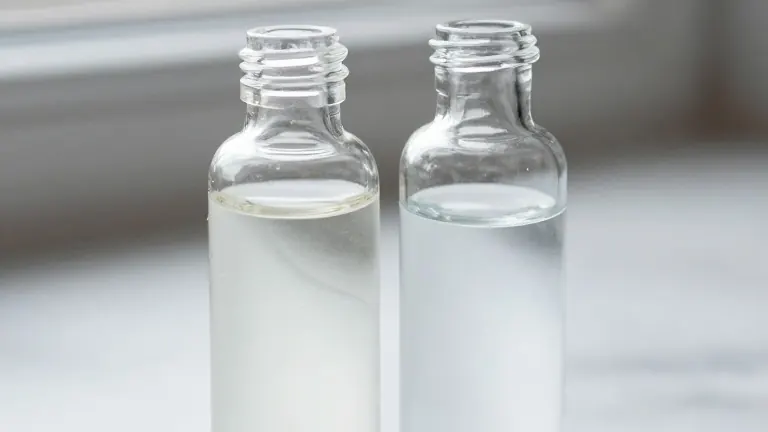
Winter weather strips moisture from the skin, leaving many people reaching for serums and creams that promise relief. Two ingredients dominate these products: glycerin and hyaluronic acid. While they are often lumped together as moisturizers, they work in different ways and serve different skin types.
Dr. Michele Green, a board-certified cosmetic dermatologist in New York City, says the choice depends on whether the skin is dry or dehydrated. Glycerin is a naturally occurring humectant that pulls water from deeper skin layers. It binds that water to the stratum corneum, the outer layer of the skin. This process keeps the skin soft and flexible while supporting a healthy barrier.
Glycerin is usually a clear, odorless liquid. Manufacturers often derive it from plant oils like coconut, soy, or palm. It can also be produced synthetically. This makes it a more affordable option for brands than its counterpart. Hyaluronic acid, by comparison, is a sugar molecule naturally found in the skin, eyes, joints, and connective tissue. On product labels, it is frequently listed as sodium hyaluronate.
Hyaluronic acid can hold up to 1,000 times its weight in moisture. When applied to damp skin, it locks in that water to maintain hydration levels. The two ingredients differ in physical properties. Glycerin is a small molecule that penetrates skin layers. Hyaluronic acid is larger and tends to sit closer to the surface. Despite its size, hyaluronic acid usually has a lighter texture. Glycerin has a stickier, heavier feel.
Production costs also vary. Hyaluronic acid is typically made through bacterial fermentation. This process makes it more expensive than glycerin. Dr. Green notes that glycerin is the better choice for dry skin. Dry skin is often characterized by a lack of natural oils. Glycerin reaches deeper layers to help repair a weakened moisture barrier. It addresses the lack of oil directly.
Hyaluronic acid is more effective for dehydrated skin. This condition involves a lack of water rather than oil. The ingredient draws water to the surface to provide immediate hydration. Dr. Green suggests specific products that combine these benefits. For overall hydration and barrier support, she recommends a CeraVe moisturizer. This formula combines hyaluronic acid, glycerin, and ceramides. It is suitable for dry, sensitive, and eczema-prone skin.
For those with oily skin, Dr. Green notes that hyaluronic acid provides water-based hydration. Its lightweight texture does not leave a greasy residue. This makes it noncomedogenic and safe for acne-prone complexions. Glycerin is particularly well-suited for sensitive skin. It is one of the most gentle and well-tolerated ingredients in skin care. It helps reduce irritation and redness caused by harsh weather or over-cleansing.
Dr. Green highlights the benefits of glycerin for wintertime skin. The cold weather can make skin chronically dry. Glycerin is also an excellent option for skin irritated by active treatments such as retinoids. Hyaluronic acid is beneficial for dehydrated skin that appears dull or feels tight. It can reduce the look of fine lines and texture caused by moisture loss. Its thin texture makes it ideal for layering under makeup.
For mature skin, the body naturally produces less hyaluronic acid. Topical application can help replace lost moisture. However, Dr. Green recommends combining both ingredients. This approach achieves both surface-level and deeper hydrating effects. Consumers should select products based on their specific skin needs. Those with dry, flaky skin or a compromised barrier should prioritize glycerin to strengthen the skin's defense. Those with oily or dehydrated skin may find that hyaluronic acid offers the necessary lightweight hydration without clogging pores.
More News · National news · Report a business · Got a Story?