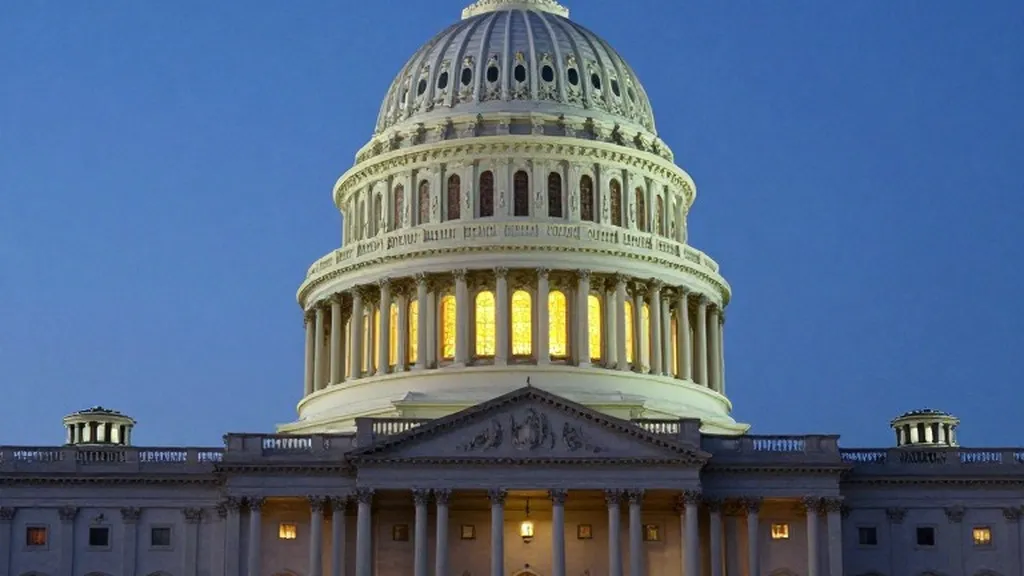
Midterm Sweep Puts War with Iran Under New Congressional Lens
The Democratic sweep of Congress shifts the war with Iran from executive discretion to legislative oversight, with new leaders pledging aggressive scrutiny.
By Alexei Brooks ·
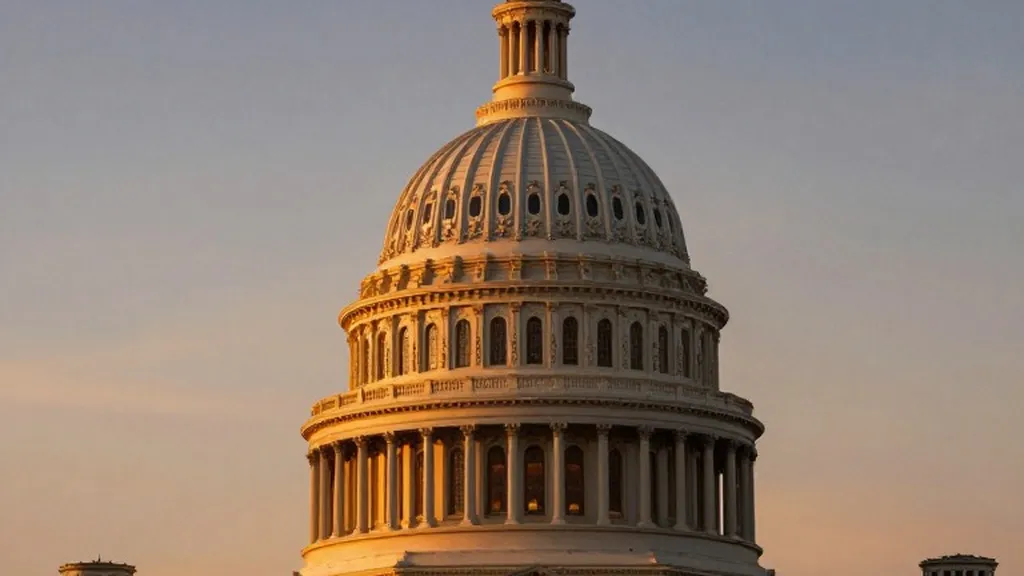
The war with Iran has become a central flashpoint in the 2026 midterm elections, with the results now in favor of a Democratic sweep that fundamentally shifts the strategic landscape for the conflict. Democrats secured majorities in both the U.S. House and Senate, picking up at least 43 House seats and seven Senate seats according to Ballotpedia results. This victory marks a significant shift in power, with the new Democratic majority poised to take immediate control of the legislative agenda, including oversight of the administration's handling of the Iran war.
The scope of the Democratic victory was substantial, leading to a 250-157 majority in the House and a 54-44 majority in the Senate as of November 6. The net loss of at least seven Senate seats for Republicans places this election in the top 20% of historical seat swings against a president's party, a threshold often defined as a wave election. While the House loss of 42 seats was slightly below the 48-seat threshold for a wave, the overall result signals a strong mandate for change in how the nation engages in foreign conflicts.
President Donald Trump, who serves out his final two years in office, faces a Congress that is now dominated by the opposition party. The new Democratic leadership, including incoming House Speaker Hakeem Jeffries and Majority Leader Katherine Clark, has indicated a focus on robust oversight. This approach contrasts with the previous Republican strategy, which often involved supporting the executive branch's military engagements. The shift suggests that the war with Iran will face closer scrutiny regarding its costs, strategic goals, and diplomatic alternatives.
Republican leadership has already begun to restructure in response to the defeat. Rep. Jim Jordan of Ohio was elected as the House Republican minority leader, defeating Rep. Steve Scalise in a secret ballot vote. Jordan, a co-founder of the House Freedom Caucus, emphasized an offensive strategy for the party, stating that offense wins elections. His selection signals that Republicans will continue to use their committee roles to challenge the administration, potentially including investigations into the decision-making processes surrounding the Iran conflict.
The outcome also has implications for state-level policies that influence national defense. Democrats won a majority of governorships and state legislative chambers, gaining control of 20 state trifectas. This shift in state power could influence funding allocations and political pressure on federal defense budgets. The new Democratic governors may prioritize different aspects of national security, potentially affecting how resources are allocated for the ongoing war with Iran.
Voters in California, a key battleground, rejected a first-in-the-nation tax on the net worth of billionaires, known as Proposition 40. This decision reflects the complex economic priorities of independent voters who supported Democratic candidates for federal office but were cautious about significant state-level tax changes. The failure of the tax, which was intended to backfill federal healthcare funding cuts, suggests that the new Democratic Congress may need to find alternative revenue sources to support both domestic programs and national defense expenditures.
The election results have ended the period of divided government that characterized the previous Congress. With Democrats controlling both chambers, the legislative process for authorizing or restricting military action will change. The new House Speaker, Hakeem Jeffries, is expected to prioritize oversight bills that could examine the legal and strategic foundations of the war with Iran. This marks a departure from the Republican-led House, which often deferred to the executive branch on matters of war and peace.
Independent voters played a decisive role in this election, with many supporting Democratic candidates for federal offices while voting against specific state tax measures. This pattern suggests that the new Congress will need to navigate a electorate that is supportive of a change in direction but remains cautious about fiscal policy. The war with Iran, as a major driver of national defense spending, will likely be a key issue in this balancing act.
The new Democratic majority also brings a different perspective on foreign policy to the forefront. Many Democratic candidates campaigned on a platform of diplomatic engagement and multilateral cooperation, contrasting with the more unilateral approach of the previous administration. This shift could lead to new negotiations with Iran or a reevaluation of the current military strategy. The outcome of the election provides a clear mandate for the new leadership to reshape the nation's approach to the conflict.
The results also highlight the importance of state-level elections in shaping national policy. With Democrats winning a majority of governorships, the administration will face a unified front from both the federal and state levels in key states. This alignment could facilitate new policies regarding energy, trade, and defense that affect the war with Iran. The election results underscore the interconnectedness of state and federal politics in determining the nation's foreign policy direction.
The new Congress will convene in January, with the first order of business likely being the organization of committees and the selection of key leadership positions. The Democrats' control of the House Judiciary Committee, now under the watchful eye of the new majority, will be crucial in overseeing the executive branch's actions in the war with Iran. The election results have set the stage for a new era of congressional oversight, with the war with Iran serving as a primary test of the new leadership's approach to national security.