Supreme Court clears path for west Texas border wall
The high court ruled that a lower judge lacked the authority to block federal construction in Big Bend National Park.
By Jack Weber ·
The U.S. Supreme Court issued a ruling on Monday that allows the Trump administration to resume construction of hundreds of miles of border infrastructure in west Texas. The decision overturns a temporary injunction that had paused work in the Big Bend region while the legal dispute continues.
The court determined that the federal judge who ordered the halt did not have the legal standing to stop the project. In a five-page opinion, the justices wrote that the lower court's order prevented the government from pursuing its compelling interests in border security. Justice Ketanji Brown Jackson was the only justice to dissent from the majority's decision.
The ruling supports the authority of Homeland Security Secretary Markwayne Mullin to waive certain environmental and conservation laws. The high court described this power as a clear preference for fast border construction over the specific harms cited by the opponents. This legal maneuver allows the administration to bypass standard protections typically required for federal projects in sensitive areas.
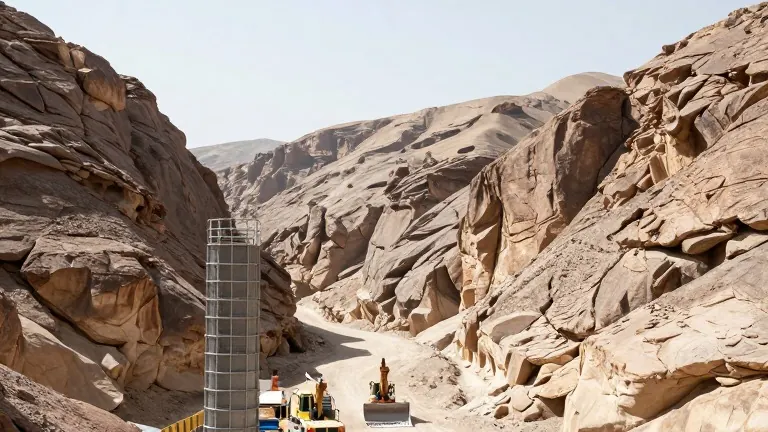
The immediate impact is a return of heavy machinery to the region. Laiken Jordahl of the Center for Biological Diversity stated that the decision sends contractors back to the site. She warned that the ruling permits the dynamiting of canyon walls and the bulldozing of desert terrain within the national park.
The lawsuit was filed by the Center for Biological Diversity, a local nonprofit protecting a historic church, and a landowner who faces the loss of property. The group argued that the federal plans are unconstitutional and that residents would suffer irreparable harm if the construction continues. A federal judge in El Paso had previously stopped the building of 30-foot steel barriers, patrol roads, and surveillance systems.
Solicitor General John Sauer called the original injunction baseless in a late October request for emergency relief. He argued that a gap in border defenses in Big Bend would serve as a dangerous magnet for cartels. The government maintained that any section without a barrier would become a funnel point for crossings that are blocked elsewhere.
The Big Bend Sector spans nearly 500 miles and covers more than a quarter of the U.S.-Mexico border. Despite its size, Customs and Border Protection data show this area regularly records the fewest encounters along the Texas border. The region is known for its steep canyons and harsh desert climate, which have historically limited the number of people attempting to cross there.