USDA outlines $15 billion aid package for struggling farm sector
New payments aim to offset fuel and fertilizer costs driven by tariffs and the Iran conflict.
By Arjun Weber ·
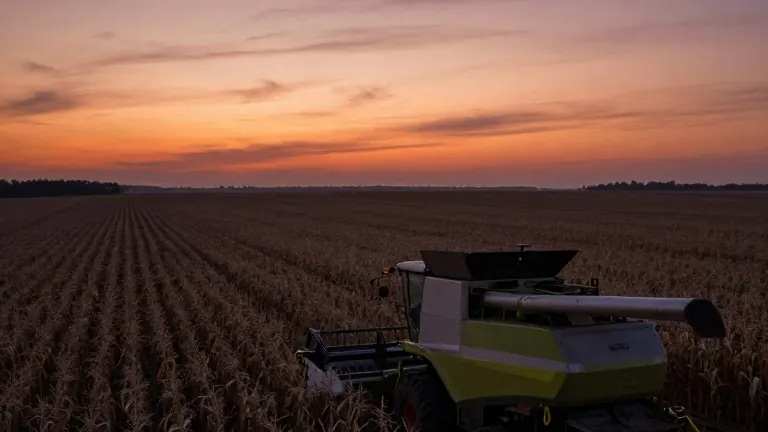
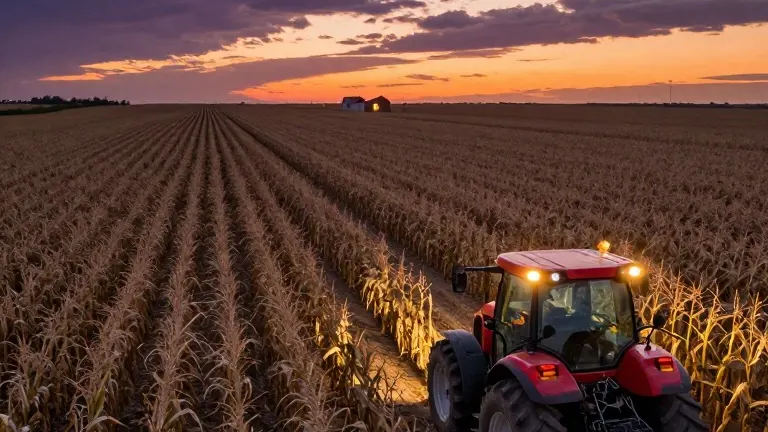
Diesel fuel averaged $6.32 per gallon on Friday, a 70 percent increase from the price recorded one year earlier. For a typical 100-gallon tank, the cost difference amounts to $260 more than the expense of that same fill-up last year. These rising input costs have squeezed agricultural margins and prompted the Trump administration to announce a series of financial measures for the sector.
The Department of Agriculture has outlined $15 billion in promises to producers in the weeks leading up to the midterm elections. The initiatives are designed to help farmers manage higher expenses for diesel and fertilizer, costs that have risen largely due to the administration's tariff policies and the ongoing war in Iran. The agency also plans to distribute $13.8 billion in safety net payments for the 2025 crop year, targeting growers of corn, soybeans, wheat, and rice.
More than half of the $15 billion will fund an $8 billion one-time payment plan intended to assist farmers dealing with soaring fuel prices. The agency stated it will release further details regarding these payments this month, though the specific timing of disbursements remains unclear. Diesel is essential for operating trucks, tractors, and combines, making it a critical operational expense for agricultural businesses.
Gregg Ibendahl, a farm management specialist at Kansas State University, estimates the payments will more than cover the increase in fuel costs. He noted that the funds could also help offset high fertilizer prices. Beyond the fuel assistance, at least $5 billion was allocated to guaranteed loans for ranchers and fishermen. An additional $1.8 billion is set for producers and landowners in conservation programs, while $573 million is designated for fertilizer manufacturing projects and $57 million for expanding meat processors.
Specialty crop producers will receive $86.6 million in grants for innovative projects. The agency also announced it would purchase up to $472.5 million in agricultural commodities to support producers and charitable programs. Other efforts include expanding the sales of off-road diesel, improving cattle sale data transparency, and strengthening wolf management policies to protect livestock.
The financial strain on farmers stems from a year of increased costs for fertilizer and fuel. Last year, tariffs raised equipment expenses, and a trade war with China led to a near boycott of U.S. agricultural goods. Ibendahl described the uncertainty in global markets as a significant factor hurting farmers this year. He expects the ad hoc payments to be a major help for those who might otherwise turn a loss, though he noted they do not solve the underlying price drivers.
Ibendahl questioned how farmers will present these temporary boosts to lenders when seeking loans for the following year. He said it is difficult to explain that a good year was due to extra government payments rather than sustainable operations. Alexandra Middlewood, an associate professor of political science at Wichita State University, reported mixed reactions from farmers. Many are relieved their businesses will survive the year, but they view the programs as one-time bailouts rather than long-term solutions.
Rural voters have been a key group for Trump, but some policies have impacted the agriculture industry. Michael Smith, a political science professor at Emporia State University, noted that immigrant deportations have threatened the labor force, while cuts to foreign aid and SNAP food stamps have hurt product markets. Smith observed that while some voters admire the president personally, they may not support his specific policies, especially since he is not on the ballot this year.
Middlewood identified cost of living and health care access as top issues for rural voters. She said there is a perception that the administration has not done enough to address these concerns, despite Trump's claims of a booming economy. While she does not expect a shift to the Democratic Party in Kansas, a long-time Republican stronghold, she suggested some voters may sit out the election or vote independent. Middlewood emphasized that independent voters will be decisive in determining the outcome of this year's election.
More Business · Rip-Off Report · Report a business · Got a Story?