Knesset Election Fallout: Suspects Freed As Officials Defend Vote Integrity
Police released two of three bribery suspects on Sunday, while the elections committee head stated that potential foreign interference would not invalidate the results.
By Arjun Weber ·
Two of three individuals detained for alleged voter bribery were released by Israeli police on Sunday. This move weakens the narrative pushed by Prime Minister Benjamin Netanyahu’s Likud party, which has sought to cast doubt on the parliamentary elections held last week.
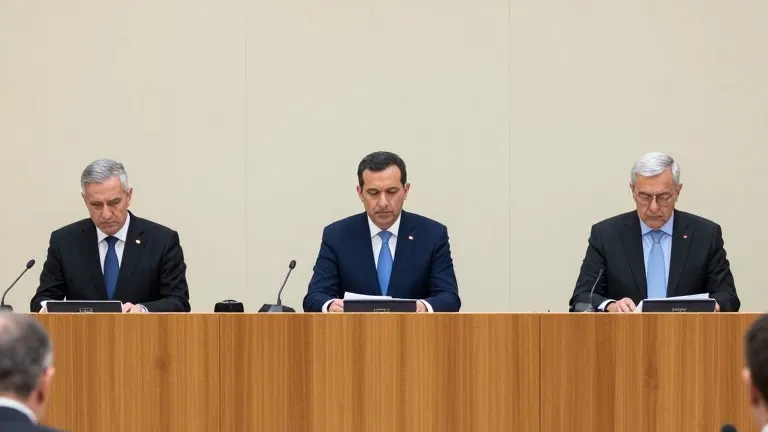
The central question now is whether the election results will stand despite ongoing allegations. Noam Sohlberg, the head of Israel’s elections committee, addressed this directly on Sunday. In a video released that day, he stated that even if separate claims of foreign interference are substantiated, the integrity of the electoral process and the results as a whole would not be undermined. Sohlberg made these remarks while sitting with the Shin Bet chief and the attorney general.
Likud immediately challenged this assessment. The party issued a statement questioning how the committee chief could acknowledge serious allegations while simultaneously asserting that the final outcome would remain unaffected. This dispute highlights the tension between the security agencies’ assessment and the political strategy of the ruling party.
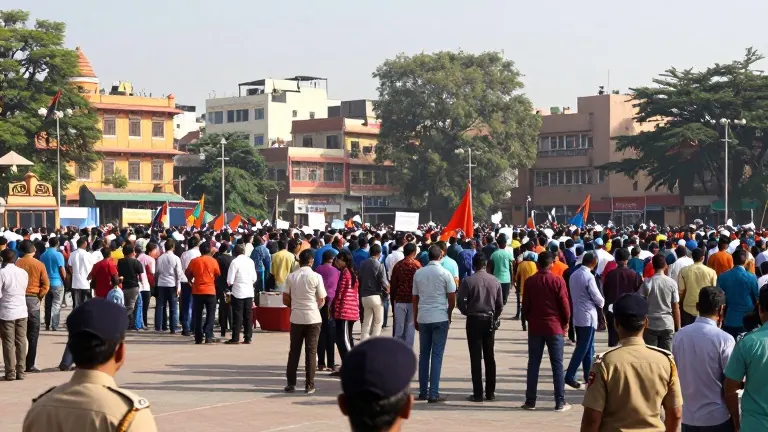
The bribery case itself involves activists arrested before polls opened on October 27. Police found them with envelopes of cash intended to bribe voters. A judge on Sunday questioned or rejected further restrictions for the suspects. One was released with unspecified conditions, another was placed on house arrest for eight days, and the detention of the third was extended by two days. The Ra’am party, which won eight seats, denied involvement in the scheme.
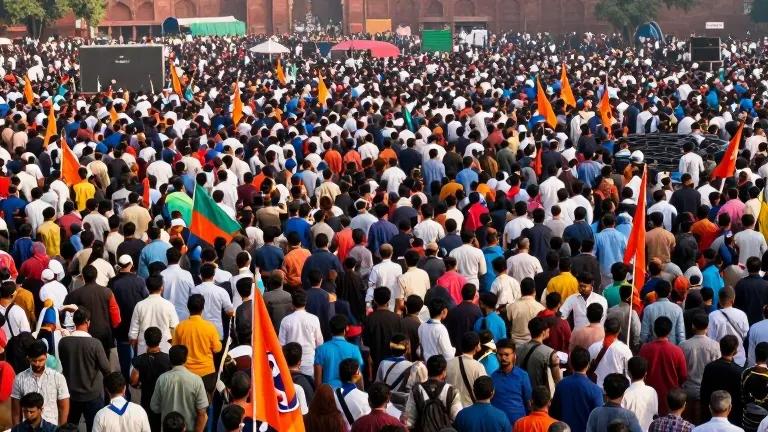
The election results shifted the balance of power in the 120-member Knesset. Netanyahu’s bloc lost its majority, dropping to 53 seats from a previous high of 68. A coalition led by his rival Gadi Eisenkot won 48 seats, while Arab-led parties secured the remaining 19. Together, the opposition blocs hold enough seats to form a government, though they have not yet agreed on a path forward.
President Isaac Herzog will begin consultations with elected parties on Wednesday after the results are officially certified. He will select the candidate he believes has the best chance of forming a coalition. If negotiations fail, the country may face new elections early next year. Eisenkot accused Netanyahu on Sunday of launching an orchestrated campaign to delegitimize the vote, specifically by insinuating that Qatar supported opposition parties. Qatar has denied funding any activities meant to influence the outcome.
Mansour Abbas, leader of the Ra’am party, described the arrests as undemocratic and an attempt to influence the results. Yousef Jabareen, who leads the Joint List of Arab parties, criticized the rhetoric used during the campaign. He noted that more than half the content published by Likud on election day targeted Arab voters. Jabareen said Netanyahu reverts to familiar tactics of incitement and delegitimization in moments of crisis.