Texas A&M and GDT Launch Distinct AI Hubs to Expand Computing Access
A new sovereign AI center in Bryan and a testing lab in Dallas aim to provide local businesses and researchers with dedicated infrastructure by 2027.
By Alexei Brooks ·
Two separate projects in Texas are addressing the growing demand for artificial intelligence infrastructure by building facilities that prioritize local access over centralized cloud services. While both locations seek to lower barriers for developers and enterprises, they employ different strategies to meet the specific needs of academic institutions and commercial businesses.
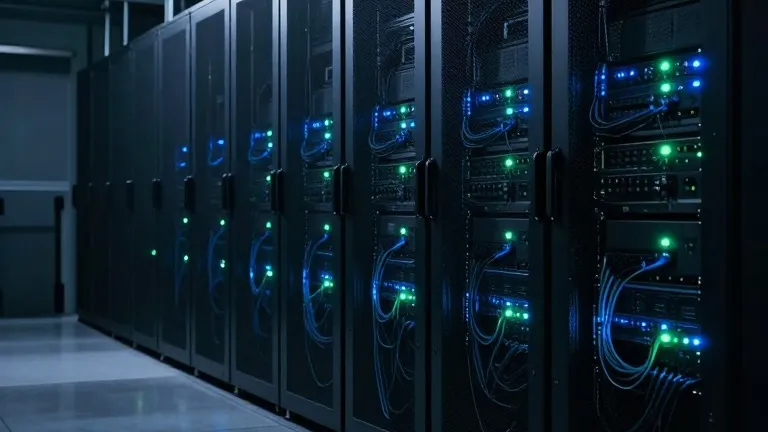
In Bryan, ThisWay Global is constructing the Research and AI Compute Center, known as RACC, on 25 acres of the Texas A&M RELLIS Campus. The facility will operate as a 73-megawatt data center focused on sovereign AI, a model that allows organizations to retain full control over input data and system outputs. Stefan Fable, the company’s CEO, stated that this control is essential for regulated industries, defense sectors, and academic research. The center is scheduled to begin computing operations by June 2027.
The RACC project includes an educational component designed to train students and community members beyond the Texas A&M student body. An eight-week course is planned for eligible participants to provide vocational and academic training in AI operations. Sean Feeney, a computer science Ph.D. student at Texas A&M, noted that accessing large compute systems often requires partnerships with outside industry groups. He said having resources closer to campus keeps research local and reduces logistical hurdles for faculty and students.
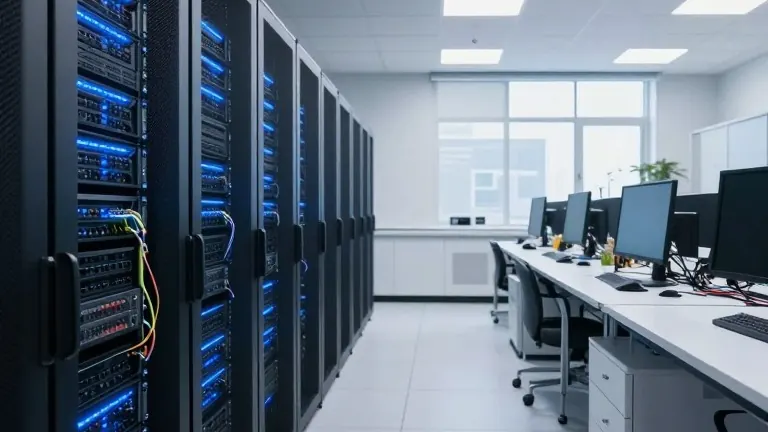
In Dallas, technology integrator GDT has opened a facility it calls an AI factory. Unlike the Bryan project, which focuses on long-term research and sovereign control, the Dallas lab serves as a supercomputer workspace where businesses can develop and test AI applications before purchasing their own hardware. GDT CEO Shawn O'Grady described the facility as a new-age factory built around NVIDIA GPUs, NetApp storage, and Cisco networking. The lab allows companies to validate use cases and determine if an AI application provides real value before committing to permanent infrastructure.
GDT officials say the facility helps accelerate the transition from exploring AI concepts to deploying them in production environments. Chris Kapusta, GDT’s vice president of advisory and transformation, explained that the lab allows businesses to test specific use cases and ensure they fit organizational needs. He noted that the Dallas location provides North Texas companies with local access while potentially drawing national attention to the region’s growing role in AI development.
Industry leaders acknowledge that AI infrastructure raises questions about security and usage. O'Grady compared AI to a hammer, arguing that the technology itself is neutral and its impact depends on how it is applied. Kapusta pointed out that while malicious actors use AI to find security vulnerabilities, companies can also use the same tools to detect and fix weaknesses before they spread. Fable added that AI will become integrated into everyday systems such as payment processing and point of sale technology, making infrastructure access a standard requirement for modern operations.