ANC vote share falls to 31% in South African local elections
The governing party lost 15 percentage points as voters cited failures in basic services and ongoing corruption scandals.
By Jack Weber ·
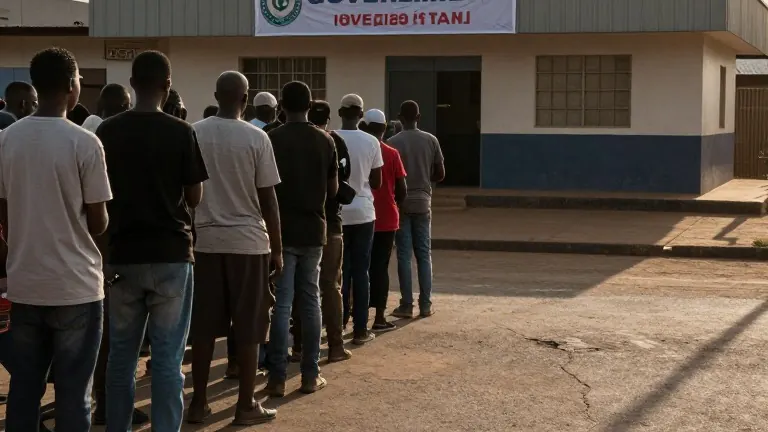
The African National Congress, the party that led South Africa out of apartheid, lost 15 percentage points in local elections held last week, dropping to a historic low of 31%.
Results released on Sunday marked the ANC's worst performance at the ballot box since it took power in 1994 under Nelson Mandela. The party, which previously commanded 70% of the vote, conceded to a humbling defeat. Its secretary-general described the result as a "catastrophic outcome" and announced a period of self-reflection to regain public trust.
Voters cited a failure to deliver essential infrastructure as the primary reason for their dissatisfaction. Communities across the country continue to face blackouts, broken water and sewage systems, accumulating garbage, and a severe shortage of housing that leaves millions in informal settlements. These daily frustrations have overshadowed the ANC's historical role in ending racial segregation.
Corruption remains a central factor in the party's declining support. Nearly 40% of South Africa's 62 million residents live below the lower poverty line, according to the World Bank. A judicial commission investigating the tenure of former President Jacob Zuma revealed widespread graft. A new commission is currently examining allegations that senior police, political officials, and businessmen misappropriated more than $120 million from a hospital intended to serve a poor community.
Current President Cyril Ramaphosa, who promised to clean up the party after succeeding Zuma in 2018, faces his own scrutiny over a scandal involving more than half a million dollars in cash found hidden in a couch at his ranch. The ANC has also been weakened by internal divisions. Zuma, who was pushed from power in 2018, split from the ANC to form the MK Party, further dividing the vote base.
The ANC lost its parliamentary majority in a national election two years ago with 40% of the vote. It now operates as the leading party in a coalition government. The fragmented political field has allowed challengers to gain ground, particularly among young urban voters who do not remember the apartheid era.
The white-led Democratic Alliance won 25% of the votes in last week's municipal elections, closing the gap with the ANC closer than ever before. The opposition party stated that this result demonstrates its potential to become the largest party in South Africa, a position that would have seemed unlikely just a few years ago.