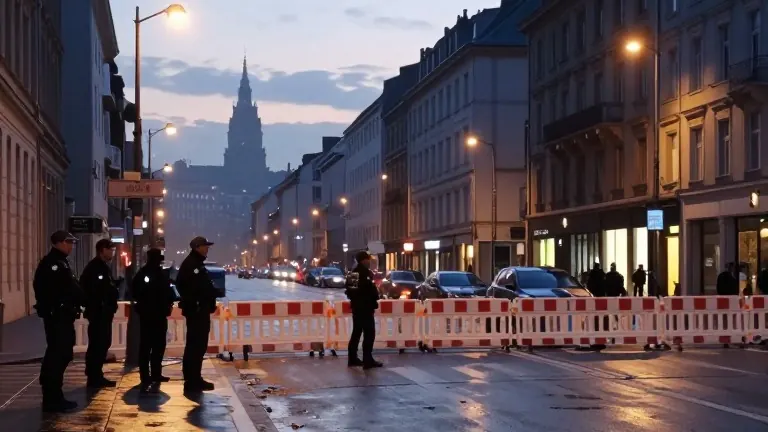
Cyberattack Hits Ukraine and Russia Emergency Apps After Ceasefire Ends
Users in Kyiv received false radiation warnings as hackers exploited mobile alert systems, while drone strikes resumed in Kherson hours after a truce expired.
By Alexei Brooks ·
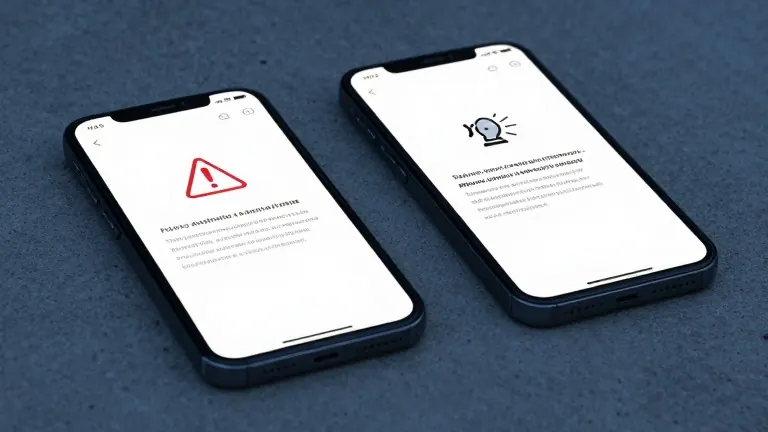
Hackers targeted emergency alert applications in both Ukraine and Russia late Sunday, triggering false warnings of radiation and chemical threats in Kyiv. Ukrainian authorities confirmed the breach on Monday after users reported receiving English-language alerts with grammatical errors. The messages claimed high radiation levels and public disturbances in the capital. Ukraine’s air raid alert channel stated that unauthorized parties had interfered with the app’s operation and temporarily suspended the service. Users were warned not to click links in suspicious notifications. The app was restored overnight.
The breach occurred as a localized ceasefire in the Kherson region ended at midnight on Monday. The truce had begun on October 27 and was tied to a humanitarian aid mission in the Russian-occupied city of Oleshky. The White House stated that U.S. First Lady Melania Trump helped broker the limited truce. Civilian negotiators from both sides also secured the pause. The operation allowed residents of Oleshky to evacuate in a rare joint mission that concluded Saturday. An estimated 2,000 civilians were in the city when the truce took effect. Exact evacuation totals were withheld to protect those who remained.
The ceasefire marked the most significant truce between Kyiv and Moscow since the full-scale invasion began nearly five years ago. Ukrainian authorities reported multiple Russian drone attacks early Monday, hours after the pause in fighting expired. A 62-year-old woman and a 73-year-old man were hospitalized with blast injuries in Kherson. The city is located across the Dnipro River from Russian-occupied territory. Ukraine’s general staff said Russia bolstered its drone defenses and replenished ammunition supplies in the area during the ceasefire.
In Russia, officials confirmed that hackers gained access to the Emergency Ministry’s mobile app. The ministry did not name the attackers in its Monday statement. It reassured the public that the wider alert system remained functional. The mobile app serves as a supplement to SMS messages, media broadcasts, and municipal sirens. A Russian Telegram channel linked to security services, Mash, reported that the hacking group Hitcore claimed responsibility. Mash said it spoke to representatives of Hitcore, though the claim has not been independently verified.
Ukraine’s state-run Center for Countering Disinformation reported the breach and urged users to monitor social media channels. It advised the public to rely on physical alerts while the cyberattack was addressed. Yurii Ihnat, a spokesman for Ukraine’s air force command, said the cyberattack had no impact on security or defense operations. He noted that the app is separate from military command systems. Ihnat told 1+1 television that the air force continues to report real-time threats through independent communication channels, including social media platforms.
Elsewhere in Ukraine, emergency services reported drone strikes in the eastern Kharkiv region. Twelve people were injured, and a refrigeration facility, greenhouses, and residential buildings were damaged. Five people were injured in the Black Sea port city of Odesa. A warehouse was targeted, and homes were damaged in that area.