Democratic-led Congress to probe Trump energy deals in January
Subpoena power arrives as Democrats target the Iran war, Venezuela oil stakes, and critical minerals agreements.
By Arjun Weber ·
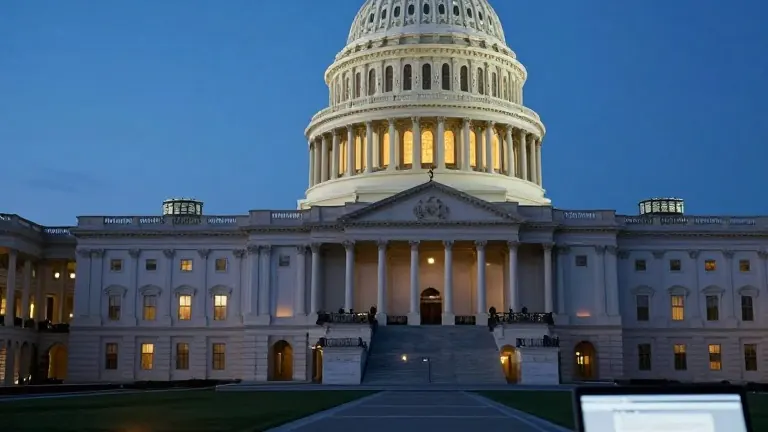
Democrats will use their new committee powers to launch formal investigations into the Trump administration's energy policies when Congress convenes in January. Until then, the opposition party has been limited to sending letters to officials. The shift in power allows them to compel testimony and demand documents.
Crude oil prices dropped sharply on Wednesday as traders bet the recent election defeat would push President Donald Trump to negotiate a deal with Iran. Vice President JD Vance attributed the Republican loss directly to the ongoing conflict. This has raised questions about internal support for the war within the administration.
House Minority Leader Hakeem Jeffries said Democrats will end what he called a reckless and costly war of choice that has skyrocketed gas prices. Rep. Ted Lieu, vice chairman of the Democratic caucus, said the new Congress will pass legislation to stop the conflict. Jeffries indicated the party will pass a war powers resolution, though a presidential veto is expected.
Gasoline prices could fall below $4 per gallon in the coming week, according to Patrick De Haan of GasBuddy. He predicted diesel prices would drop under $6 by Thanksgiving. However, Bob McNally of Rapidan Energy warned that military escalation in the Middle East remains likely. McNally said Trump is unlikely to abandon his goal of preventing Iran from obtaining a nuclear weapon.
Democratic lawmakers have pressed the White House for months to explain how Venezuela's oil revenues are being spent. In January, Washington seized control of Venezuelan oil exports after a military raid ousted former President Nicolas Maduro. The Pentagon took a stake in North American Blue Energy Partners, a company developing Venezuelan reserves. The deal gives the U.S. control over 65 billion barrels of oil.
In September, Democratic senators sent a letter to Defense Secretary Pete Hegseth and Energy Secretary Chris Wright questioning the legal basis for the government's deal with the oil company. House members warned the industry in January that agreements with the U.S. could expose companies to civil liability from creditors holding nearly $200 billion in debt to Venezuela.
Conflict of interest concerns are also rising over deals in the critical minerals sector. The White House justified government equity stakes in private mining companies as necessary for national security against Chinese competitors. Democratic senators pointed to the involvement of Cantor Fitzgerald in several deals. Commerce Secretary Howard Lutnick previously ran Cantor and handed control to his sons after joining the cabinet.
In a July letter, Democratic senators demanded the government preserve records related to deals involving 14 companies. Lutnick dismissed the allegations in a September interview, stating that he does not worry when he has done nothing wrong. He called the scrutiny a waste of time. USA Rare Earth warned investors in a March filing that its government stock stake has few precedents and could lead to litigation or political scrutiny.
The administration has also canceled nearly $8 billion in renewable energy projects in states that supported Vice President Kamala Harris in 2024. Energy Secretary Chris Wright told Congress the cancellations were not based on political considerations. Several House Democrats have accused Wright of giving false testimony, a claim the Energy Department has denied. The Interior Department paid TotalEnergies nearly $1 billion to cancel an offshore wind project and shift to natural gas. Reps. Jared Huffman and Jamie Raskin called the deal unlawful and launched an investigation in April.