Haiti's Prime Minister Heads to El Salvador to Discuss Troop Presence
The visit aims to clarify the legal status of the 2,500 Salvadoran soldiers currently fighting gangs in the Caribbean nation.
By Jack Weber ·
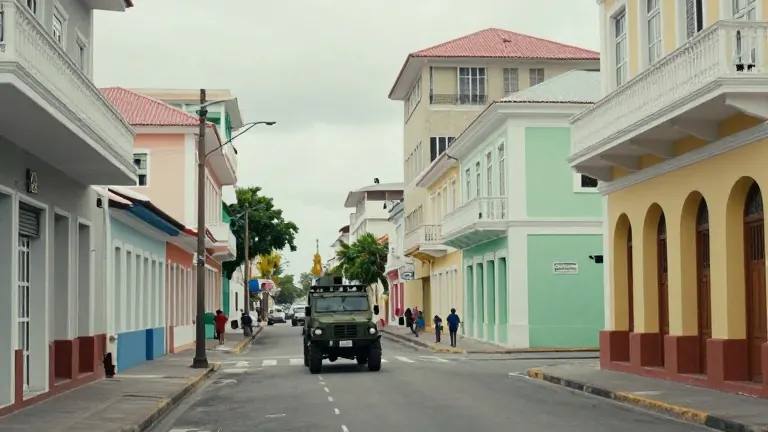
Haitian Prime Minister Alix Didier Fils-Aimé will travel to El Salvador next week to meet with Salvadoran government officials. The trip focuses on the future of the Salvadoran military forces currently deployed in Haiti. A Salvadoran government official confirmed the plans to The Associated Press on Monday. The official spoke on condition of anonymity because they were not authorized to discuss the matter publicly.
It is not yet clear if Fils-Aimé will meet directly with Salvadoran President Nayib Bukele. The visit arrives as Bukele intensifies the military campaign against Haitian gangs. At least 2,500 Salvadoran forces are now operating in Haiti. The offensive began in October after four Salvadoran aviation technicians went missing during a gang attack.
Bukele has presented himself as a leader leading a crusade against crime. He aims to defeat the gangs that control large portions of Haitian territory and maintain deep ties with local political elites. On Sunday, Haitian police and Salvadoran soldiers destroyed the home of Wilson Joseph, the leader of the 400 Mawozo gang. Haitian media first reported the operation, and Damian Merlo, a lobbyist for the Salvadoran government, confirmed it.
Joseph, also known as Lanmò San Jou, survived the strike. Gang leaders frequently move between multiple residences. On Friday, two days before the house was destroyed, Bukele posted on X asking for the location of Joseph's home in Haitian Creole. He wrote, “Give us the exact address, and we’ll destroy it,” and several accounts replied with direct coordinates.
Joseph previously told The Associated Press that the four missing Salvadorans are dead and were attacked in the territory of a rival gang called Chen Mechan. The Salvadoran government maintains that the technicians are alive. Merlo stated that the troops are operating under an agreement signed by the two governments. He said the arrangement is either a status of forces agreement or a memorandum of understanding, but he did not provide specific details on the rights granted to the soldiers.
The Haitian government did not immediately respond to a request for comment. Details regarding the operations remain unclear, raising questions about the legality of the deployment and the duration of the offensive. Last week, Fils-Aimé addressed the scrutiny by stating that the Salvadoran forces are in Haiti to support the fight against gangs. Bukele gained international attention for his war on gangs in El Salvador, which lowered homicide rates but also sparked allegations of human rights abuses.