Hinojosa’s $1,500 Check Faces Two-Thirds Vote Hurdle in Austin
A Trinity University professor notes that while Democrats hold the House, the Republican Senate majority complicates the governor-elect's legislative agenda.
By Alexei Brooks ·
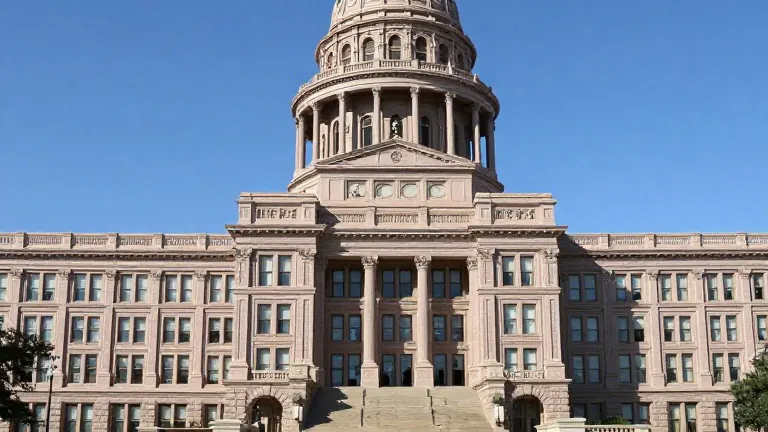
Governor-elect Gina Hinojosa faces a difficult road in the Texas Legislature to deliver on her central campaign promise: sending $1,500 directly to every state household. Austin Bussing, an assistant professor of political science at Trinity University, explained that the plan requires specific legislative action that may not align with the current partisan balance in Austin.
Hinojosa campaigned on the expectation that she would work with Republican-controlled chambers. Bussing noted that her assessment was partially correct, as the state Senate will retain a Republican majority. However, he pointed out a key shift: the state House is expected to have at least a narrow majority of Democrats. This mixed control creates a complex environment for the new administration’s first session.
The $1,500 stimulus check is not an automatic executive order. Bussing stated that the measure must start as a bill introduced by a member of the Legislature and pass through the standard legislative process. The financial mechanism for this payout adds another layer of difficulty. To withdraw funds from the state’s rainy day fund, a two-thirds supermajority is required in both the House and the Senate.
This high voting threshold means the governor-elect needs broad support beyond her party’s narrow House majority. Before the money can be released, legislators must also settle unresolved questions regarding eligibility requirements and the specific method of distribution. These procedural details add time and potential points of contention to the process.
Hinojosa has also identified data centers as a priority, calling for legislative protections. Bussing described the issue as emerging, with party lines not yet fully formed in the state or elsewhere. He suggested that Hinojosa likely opposes an outright ban but favors legislatively determined criteria for data center operations and community relationships.
Because the policy framework is still developing, Bussing sees potential for bipartisan compromise on data center regulations. Unlike the stimulus check, which faces a rigid voting math hurdle, data center policy may allow for more flexible negotiation between the two parties in the upcoming session.