Texas Rep. Charlie Geren Revives Casino Amendment Ahead of 2027 Session
New legislative control in Austin offers a rare window for gambling proposals that previously stalled in the Senate.
By Arjun Weber ·
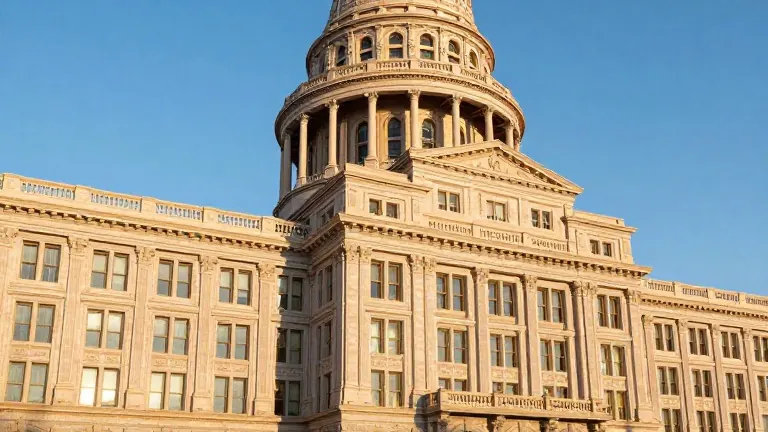
Texas politics are shifting as the state prepares for the 90th Legislature, which convenes on January 12, 2027. State Rep. Charlie Geren, a Republican from Fort Worth, filed House Joint Resolution 52 on Monday, November 9. The measure seeks to amend the state constitution to permit casino gambling and sports wagering. This filing marks the first major gambling legalization effort identified for the upcoming session.
Geren’s proposal does not immediately legalize gambling. Instead, it establishes a framework for the Legislature to authorize the industry. If the constitutional amendment passes, the decision to legalize casino and sports betting would ultimately rest with Texas voters. The resolution limits the state to a maximum of 10 licensed casino facilities. Initial licenses would be valid for at least 40 years. Gambling revenue would be taxed at a rate no higher than 15%, with restrictions on additional specific fees.
The plan requires operators to obtain licenses and pay application fees. It also mandates a negotiation process with the three federally recognized tribes holding Indian lands in Texas. This step could allow certain forms of casino-style gambling on existing tribal lands. Lawmakers would determine the specific locations where casinos and sports wagering could operate. The physical restrictions mean that casino gambling would be limited to licensed brick-and-mortar locations.
Geren has pursued this goal for years. A similar proposal, House Joint Resolution 137, was introduced in 2025 but stalled in the House State Affairs Committee. An earlier, more expansive effort in 2023 included destination resort casinos and a state gaming commission, but it also failed to advance. Other lawmakers have made similar attempts. State Sen. Carol Alvarado filed Senate Joint Resolution 16 in 2025 to create a Texas Gaming Commission. Rep. Sam Harless introduced House Joint Resolution 134, and Sen. Juan Hinojosa filed a companion measure. None of these advanced out of committee.
The current political environment differs from previous attempts primarily due to leadership changes in Austin. Democrats are set to take control of the Texas House following the recent election. Gina Hinojosa will become governor, and Vikki Goodwin will replace outgoing Lt. Gov. Dan Patrick as lieutenant governor. Patrick had been a consistent opponent of expanding gambling, particularly in the Republican-controlled Senate. His departure removes a major procedural obstacle for supporters.
Goodwin’s approach to gambling appears more favorable. As a state representative, she supported legislation that would have allowed voters to decide on expanding gambling. Her election to lieutenant governor could provide a path for Senate consideration that was previously blocked. However, Republicans retained control of the Senate, holding 19 seats against 12 for Democrats. This control creates a high threshold for passing constitutional amendments.
The Texas Constitution requires a two-thirds majority in both chambers to send an amendment to voters. In the 150-member House, this requires at least 100 votes. In the 31-member Senate, at least 21 votes are needed. With only 12 Democratic senators, at least nine Republicans must vote in favor of the proposal. This math suggests that bipartisan support is essential, regardless of who controls the House.
Democratic support is not uniform. Governor-elect Hinojosa voted against gambling constitutional amendments as a state representative in 2023. Her position indicates that a Democratic majority in the House does not guarantee automatic support for legalization. The party lacks a clear consensus on the issue. Republicans in the Senate could also influence the process by limiting the lieutenant governor’s authority over committee assignments and legislative procedures.
The next step for HJR 52 is referral to a committee in the House. The resolution was filed ahead of the January 2027 session. If it passes both chambers by a two-thirds margin, it will appear on the ballot for voters on November 2, 2027. Until then, the current Texas gambling laws remain unchanged. The filing signals renewed interest in the issue as new leadership prepares to take office in Austin.