Libya's Dar al-Ifta bans Nike over Greek goddess origins
The Tripoli-based religious body ruled that wearing the swoosh logo promotes polytheism, a decision that follows a similar ruling against Van Cleef & Arpels last year.
By Arjun Weber ·
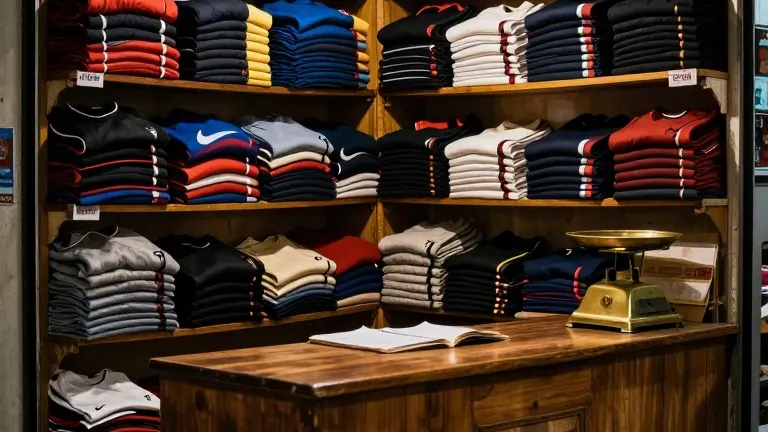
Libya is currently divided into rival political authorities in the east and west, a fragmentation that has persisted since the fall of Muammar Gaddafi in 2011. Within this western jurisdiction, the Dar al-Ifta, the country's highest religious institution, has issued a fatwa prohibiting Muslims from buying, selling, or wearing clothing with the Nike logo.
The ruling cites the American sportswear company's origin story as the primary reason for the ban. The Tripoli-based institution stated that Nike is named after the Greek goddess of victory and that its swoosh logo is modeled after her wings. By displaying these symbols, the Dar al-Ifta argued that consumers are promoting imagery associated with polytheism, or the worship of more than one god.
Sadiq al-Gharyani, Libya's Grand Mufti, approved the fatwa. The religious committee also included a secondary justification, accusing Nike of supporting Israel. This reference points to a statement issued on 5 November 2023 by the Council for Research and Sharia Studies, which urged a boycott of Western companies deemed supportive of Israel during the war in Gaza.
The fatwa is a religious opinion on Islamic law rather than a government order. It does not specify legal penalties for those who continue to purchase or wear the brand. The Dar al-Ifta holds considerable social influence in Tripoli, but its rulings are not legally enforceable in the same way state legislation is.
This is not the first time the institution has targeted international brands. Last year, it ruled against wearing jewelry and watches from Van Cleef & Arpels. The committee argued that the brand's four-leaf clover design contradicted Islamic teachings because it was linked to Christian beliefs and the pursuit of good luck.
Nike does not maintain an official store in Libya, but its products are widely available through local sportswear retailers. The brand competes with Adidas in a market where counterfeit versions are also common. While the ruling has sparked mixed reactions on social media, it arrives as authorities in both eastern and western Libya have recently tightened restrictions on music and theater performances.
The Dar al-Ifta has previously issued opinions against music, though it was not directly involved in the 2025 restrictions on rap, theater, and dance. Those restrictions were initially announced in eastern Libya and later extended to the west, citing concerns over public morals.