Midterm Results: Democrats Control Congress, Trump Signals Defiance
With Democrats holding majorities in both chambers and President Trump vowing to fight back, the stage is set for a contentious final two years.
By Alexei Brooks ·
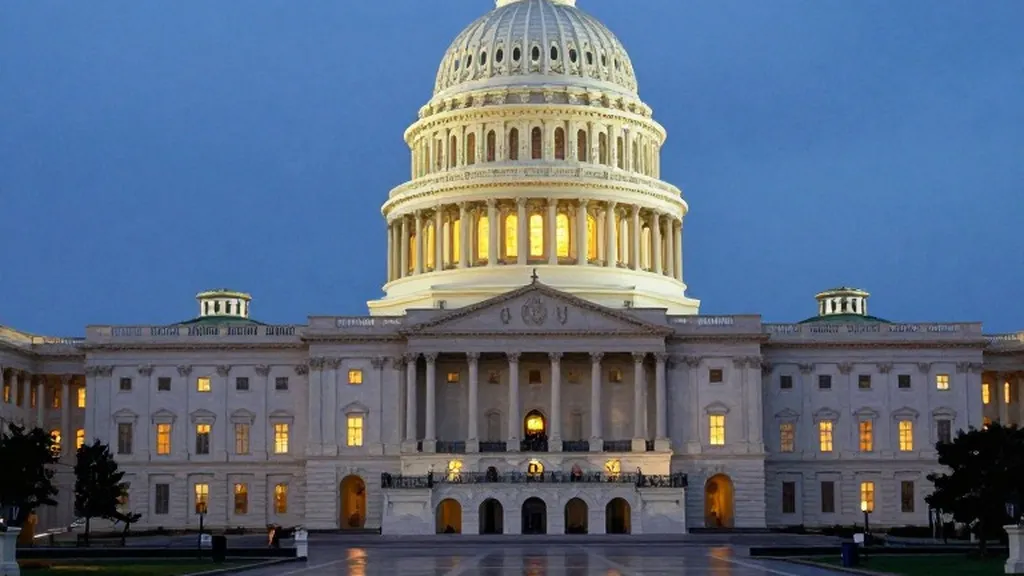
The 2026 midterm elections have concluded, delivering a decisive shift in power to the Democratic Party in the United States Congress. With results now in from across the nation, Democrats have secured healthy majorities in both the House of Representatives and the Senate. This outcome was not a close race in many districts, but rather a broad wave of support that has given the party significant leverage in the coming legislative session. The election took place on Tuesday, November 3, 2026, and the final tallies confirm that the balance of power in Washington has changed hands.
President Donald Trump has already begun to define the tone of the relationship between the executive branch and the new congressional leadership. In a statement on social media, the President described the investigative requests already made by Democratic lawmakers as "extortion at the highest level." He argued that those making such demands should be held accountable for their actions. This combative stance suggests that the administration is not preparing to yield ground easily, but rather to engage in a series of high-stakes conflicts that will define the remainder of his term.
Attorney General Todd Blanche echoed the President's sentiment, suggesting that criminal investigations of Democratic members of Congress are a possibility. Blanche stated that Democrats are not allowed to simply threaten existing members of the administration or private companies. He noted that President Trump is extremely worried about this dynamic and that his concerns are justified. This legal framing adds a layer of tension to the political battle, as the department responsible for enforcing the law positions itself as a defender of the executive branch against legislative oversight.
On the other side of the aisle, Democratic leaders are preparing for an aggressive agenda of accountability. Representative Robert Garcia, who is poised to chair the House Oversight Committee, has outlined plans to investigate what he calls the "Trump crime family." Garcia, a Democrat from California, declared that the days of Democrats not fighting back are over. His rhetoric sets up a direct confrontation that will likely test the constitutional limits of congressional power to check the White House.
Democratic House leader Hakeem Jeffries, who is on the cusp of becoming the nation's first Black House speaker, has indicated that impeachment remains an option for his party. Jeffries stated that if individuals have been shortchanging or stealing from the American people, they need to be held accountable in a manner consistent with Congress' constitutional role. This stance signals that the new Democratic majority is willing to use the full range of legislative tools available to them, including the most severe remedy of impeachment.
However, not all Democrats are united on the strategy of immediate confrontation. Senator-elect Adam Hamilton, the first Democrat elected from Kansas in 94 years, expressed some skepticism about the impeachment process. Hamilton, who campaigned on a message of bringing people together, said he is more interested in setting up guardrails for the executive branch than in pursuing impeachment. He warned that the next two years should not be spent dividing the country further, but rather delivering on the promise to lower the cost of living for voters.
This internal debate highlights a tension within the Democratic caucus between the desire for retribution and the need for governance. Senator Bernie Sanders, an independent from Vermont who caucuses with Democrats, also warned against spending all of the party's time investigating Trump. Sanders emphasized the need to stand up for working-class families and make a real difference in their lives. His comments reflect a broader concern among new members that a purely oppositional agenda could overshadow the economic priorities that drove their election victories.
The election results also bring a new dynamic to the Senate, where Democrats now hold the majority. This control allows them to set the legislative agenda and potentially confirm or block key appointments. The incoming chamber will include new faces who have expressed varied views on how to handle the relationship with the White House. Some members are eager to use their new power to push back against what they see as executive overreach, while others are cautious about the potential for gridlock.
The appointment of Stephen Miller to serve as the next White House chief of staff has further complicated the political landscape. Jeffries criticized the choice, calling it an "awful choice" and casting doubt on the prospect of working with Miller. Miller, who was an architect of the administration's mass deportation machine, has been a central figure in the immigration enforcement policies that many voters felt had gone too far. This appointment suggests that the administration intends to continue its focus on immigration, a key issue in the midterm elections.
As the new Congress convenes, the focus will be on translating the mandate from voters into tangible policy changes. Both parties are aware that the next two years will be a test of their ability to govern and hold the other side accountable. The election results have given Democrats the tools to investigate and legislate, but the President's defiant posture ensures that the path forward will be marked by significant conflict.
The final result of the 2026 midterms is a clear signal from the American public that they want a stronger check on the executive branch. With Democrats now in control of both chambers of Congress, the stage is set for a new era of legislative activity. The coming months will reveal whether this new balance of power leads to substantive change or a prolonged struggle between the branches of government.