New Zealand Voters Reject Major Parties, Leaving Government Formation Uncertain for Weeks
With no clear winner and 400,000 special votes still to count, negotiations for a new government are delayed until late November.
By Jack Weber ·
New Zealanders will wait until late November to determine their next prime minister after Saturday's election failed to produce a decisive winner for either the right or the left. The tight result forces both major parties into lengthy negotiations to secure a governing majority, a process that will only begin once final vote counts are released on Nov. 27. The election marked a sharp shift in political dynamics, as voters moved away from the dominant center-right and center-left parties toward smaller groups on the ideological fringes.
The political newcomer Opportunity secured seven seats in Parliament, enough to block a simple path to power for either major bloc. Led by 38-year-old business consultant Qiulae Wong, the party promised evidence-based centrism and an end to partisan conflict. Wong stated she could work with either side to form a government, giving her group significant leverage to extract policy concessions from weakened National or Labour parties.
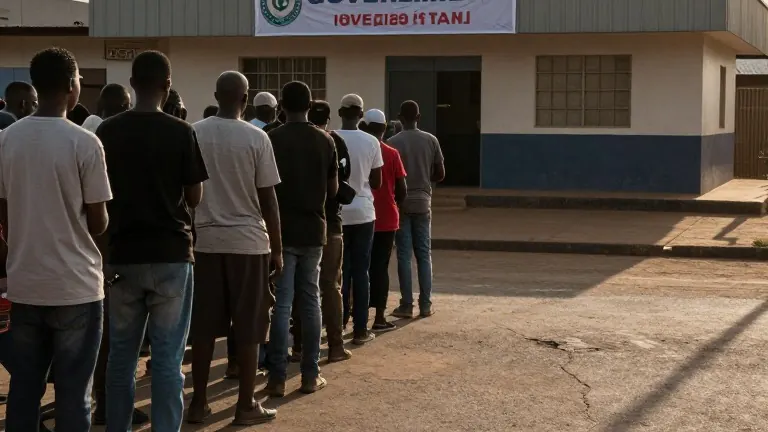
Incumbent Prime Minister Christopher Luxon leads the conservative bloc, which currently holds 67 seats against a requirement of 66 for a majority. This slim lead is likely to change as electoral officials count nearly 400,000 special votes, including ballots from New Zealanders living abroad. This counting process, expected to take three weeks, has historically added seats to left-wing parties, potentially shifting the razor-thin majority away from the right.
Luxon struck a tone of cautious optimism on Sunday, telling reporters to take a break from politics while the special votes were counted. He blamed public dissatisfaction with living costs on global economic shocks that affect trade-based economies worldwide. However, his party suffered a major loss in preferred party vote, winning only 29.21%, a drop from previous results. National secured 42 seats entirely by winning local constituency races, rather than through proportional allocation.
The opposition Labour party, led by Chris Hipkins, won a slightly higher 29.36% of the party vote but secured only 36 seats. This disparity stems from Labour winning fewer local races than the National party. Hipkins, who lost office in 2023 over economic discontent, did not appear to benefit from a swing back to the left. His bloc currently holds 57 seats, falling short of a majority even if the special votes add a few more seats.
Smaller parties on the left gained substantial ground in the election. The environmentally focused Greens won 16 seats, while the Indigenous rights group Te Pāti Māori secured five. On the right, libertarian ACT won 13 seats and populist New Zealand First won 12. These veteran-led parties now hold considerable influence, with detractors of Luxon arguing his three years in office revealed political inexperience in dealing with them.
Several senior National lawmakers will exit politics following the results, including the ministers of finance and defense, the speaker of parliament, and the attorney general. Luxon now faces a more demanding list of policy requirements to secure the backing of his traditional governing partners. Before the election, Luxon repeatedly ruled out negotiating with Wong, but on Sunday he sidestepped questions about whether his slim lead had changed his mind regarding potential cooperation.
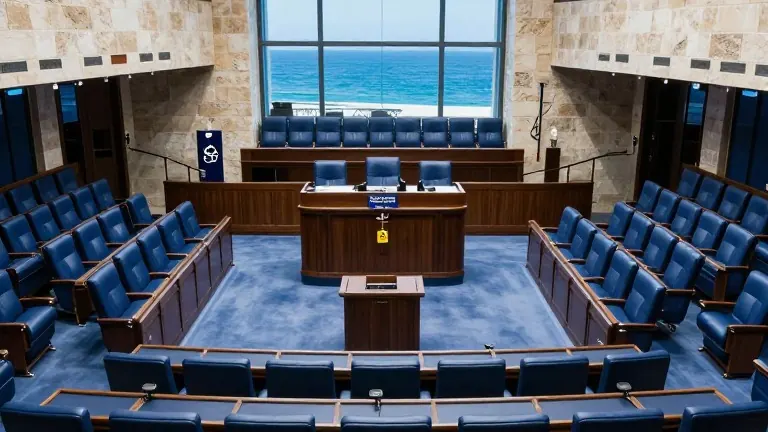
New Zealand has a single-house Parliament where governments are elected every three years. The total number of elected lawmakers is currently 131 due to specific seat allocation rules. The uncertainty over the final outcome has made 'who won the election 2026' the top trending search in the country. Until the final tallies are confirmed, the composition of the next government remains a matter of complex negotiation rather than clear victory.