Trinity Metro starts building new rail stop near Fort Worth hospitals
A 2.1-mile extension costing $270 million will connect the Medical District to existing commuter rail lines.
By Alexei Brooks ·
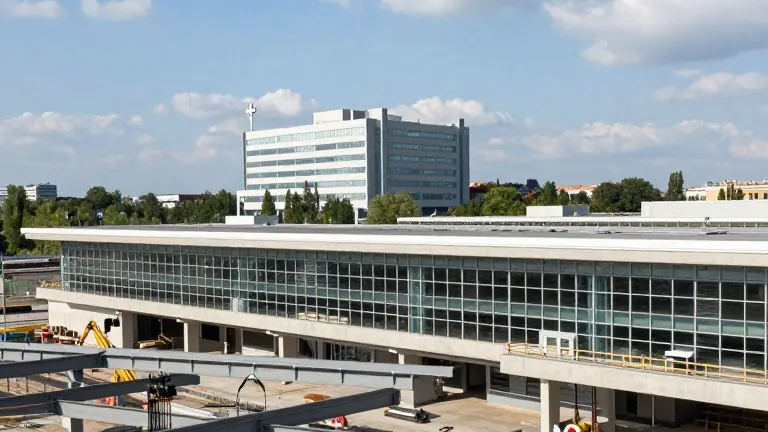
Fort Worth has begun construction on a new commuter rail line that serves the city's major medical center. Trinity Metro broke ground on October 29, 2026, for a 2.1-mile extension of the TEXRail system. The new track will run south from Fort Worth T&P Station to a new stop in the Near Southside neighborhood.
The project carries a price tag of $270 million. It is designed to link the Medical District to other parts of the region. Once finished, the line will provide direct service to downtown Fort Worth, North Richland Hills, and Grapevine. It will also connect riders to Terminal B at Dallas Fort Worth International Airport.
Rich Andreski, president and CEO of Trinity Metro, spoke to more than 100 people at the site. He described the project as an investment in the city's future. "Fort Worth is growing, and the decisions we make today will shape how people experience this city for generations," Andreski said. He noted that the new station will help residents reach jobs, health care, and education.
Jeff Davis, chairman of the Trinity Metro Board of Directors, emphasized the role of transit in urban planning. "All great cities have great transit," Davis said. He added that public transportation serves as a solution for many regional challenges. The new line will offer another option for employees, patients, and visitors to the area.
Baylor Scott & White Health donated the land for the new station. This public-private partnership helps offset the costs of infrastructure. Charles Williams, president of Baylor Scott & White DFW West Region, called the location a source of pride for the medical center. "Our hope is that this connection will make it easier for people to receive care," Williams said. He stated that easier access helps empower the community.
Funding for the extension comes from multiple federal, regional, and local sources. The project draws money from the Congestion Mitigation and Air Quality Improvement Program and the Surface Transportation Block Grant Program. It also uses funds from the Better Utilizing Investments to Leverage Development program. Additional money comes from the Coronavirus Response and Relief Supplemental Appropriations Act and savings from the original TEXRail project. The North Central Texas Council of Governments’ Regional Transportation Council also provided support.