Trump admits immigration policy was too aggressive after GOP loses Congress
The president says he will work with Democrats on a new deal despite promoting Stephen Miller to chief of staff.
By Alexei Brooks ·
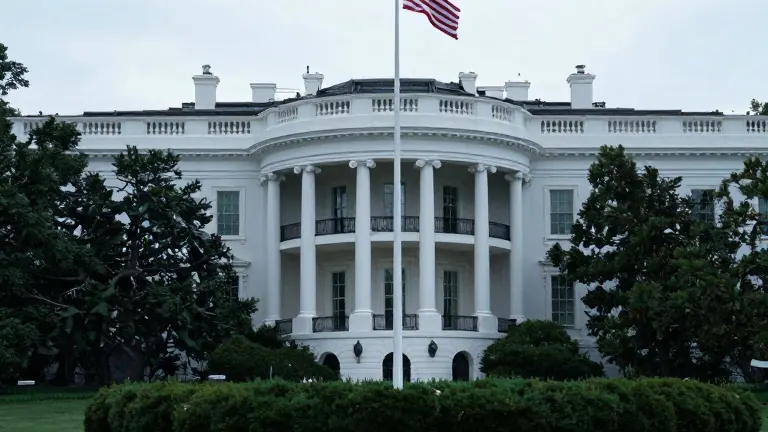
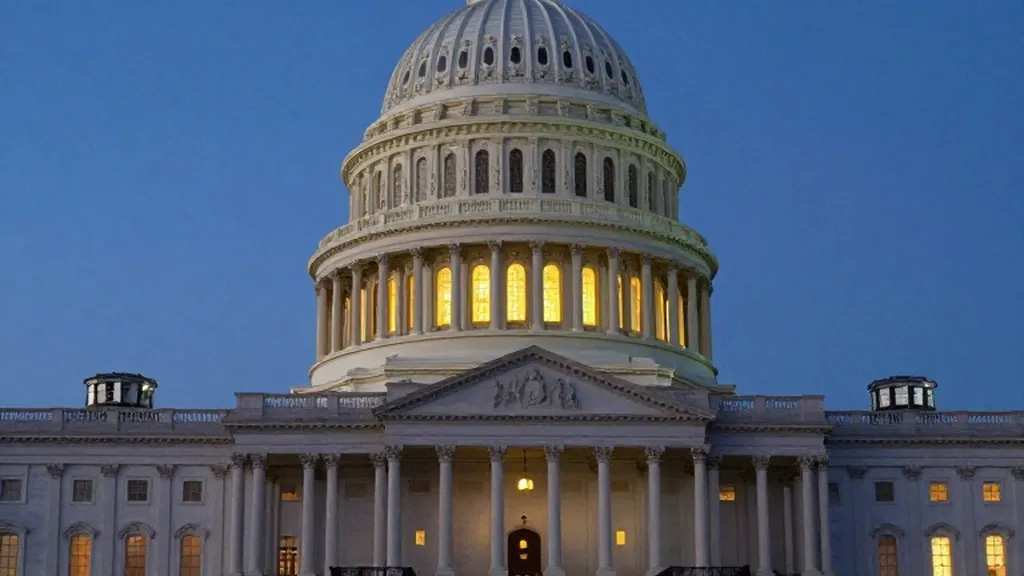
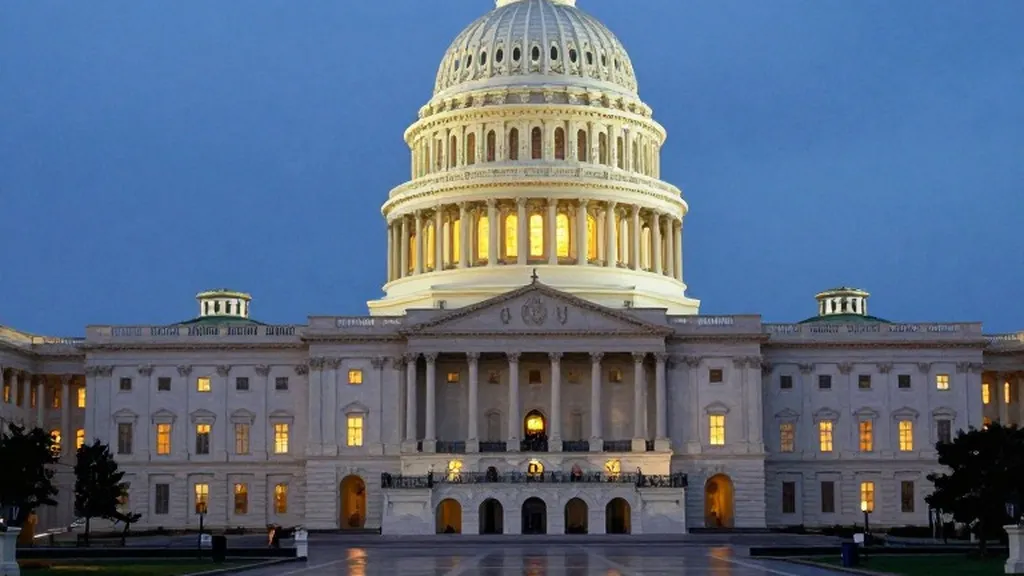
President Donald Trump conceded that his administration's deportation strategy may have cost Republicans the midterms. In his first major interview since the election losses, he told CBS's 60 Minutes that the policy was likely too tough for voters. He expressed confidence that he can now reach an agreement with the new Democratic majority in Congress. The admission comes as the GOP relinquishes control of both chambers of Congress.
The conflict over immigration defined the second term of the current administration. Federal agents launched major operations in multiple cities, causing arrest numbers to soar. Two U.S. citizens, Renee Good and Alex Pretti, were killed by federal officers during protests against these operations. Democrats identified oversight of Immigration and Customs Enforcement and the Department of Homeland Security as a top priority for the incoming Congress. The new legislative body begins its work with a mandate to scrutinize these agencies.
The timeline of events leading to the current impasse is short. The administration pursued a hard-line agenda that included the removal of millions of people. Public sentiment shifted as the operations drew national attention and violent protests. The midterm results delivered a decisive victory for Democrats, who now hold the balance of power. Trump's interview aired on Sunday, just days after the election results were finalized. He used the platform to propose a compromise rather than a full retreat.
Despite his verbal pivot, the administration's structural changes suggest a continued focus on immigration enforcement. Shortly after taping the interview on Friday, Trump named Stephen Miller as his new chief of staff. Miller is widely recognized as the key architect of the hard-line immigration agenda. Senate Democratic Leader Chuck Schumer criticized this move on social media. He argued that promoting the man responsible for the crackdown was not a course correction but a promotion.
Trump outlined a potential deal that would allow some undocumented immigrants to remain in the country. He suggested that individuals who are working in fields like landscaping or hotels, or who pay taxes, could stay. He maintained that those he described as killers and drug dealers should still be deported. He did not provide specific legislative details for this arrangement. He called the potential agreement doable but left the exact terms open for negotiation.
The president also addressed the 2028 presidential race. He hinted that he might stay on the sidelines and not endorse a specific Republican successor. He praised Secretary of State Marco Rubio as a strong candidate but noted that he would rather not mention other names. He described the party's bench of potential candidates as tremendous. He suggested he may be better off not getting involved in the primary process. This neutrality could allow multiple figures to emerge as contenders.
Trump brushed aside questions regarding his personal wealth during the interview. He stated that his net worth increased by $3 billion since returning to the White House. He said he devotes almost no time to monitoring his finances and that his sons manage the family business. He acknowledged that foreign investment in his companies raises questions about influence. He noted that every president faces similar problems regarding outside money and personal holdings.
The interview concluded with a discussion on political enemies. Trump said it would be easy to claim he forgives his foes. However, he admitted that he probably cannot do that because he hates some of them. He added that he will always maintain that sentiment. This candid assessment reflects his approach to partisan conflict. The next step is for the new Congress to begin its oversight sessions and for the White House to formalize any immigration proposals.