Wolf Communication: AI Decodes Howls in Yellowstone
Jeffrey Reed co-founded The Cry Wolf Project to isolate specific wolf sounds using artificial intelligence and bioacoustics.
By Jack Weber ·
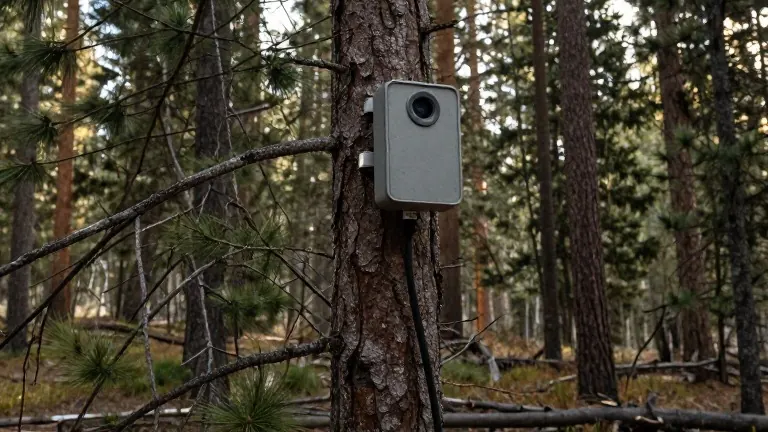
Jeffrey Reed is working to decode the specific meanings behind wolf howls in the wild. The computational linguist has spent three decades in Silicon Valley building machines that replicate human language. He is now applying that expertise to bioacoustics to separate wolf signals from background noise.
Reed holds a Ph.D. in ancient languages. He moved back to his hometown on the outskirts of Yellowstone National Park a few years ago. There, he began recording and interpreting the sounds wolves make in their natural habitat. He co-founded The Cry Wolf Project, which is described as the world's largest bioacoustics study of wild wolves.
The project relies on artificial intelligence to isolate specific vocalizations. This technology allows researchers to analyze individual howls rather than treating them as a single mass of sound. Reed also co-founded Grizzly Systems, a company that produces the hardware needed for this type of wildlife monitoring.
This research is part of a discussion on how curiosity can help preserve the wild. The topic was featured in a recent episode of the TED Radio Hour. The segment was produced by Phoebe Lett and edited by Sanaz Meshkinpour.
Reed has a book on wolf communication forthcoming from Little, Brown and Company. The work builds on his background in ancient languages and his current focus on machine learning. The project aims to understand the communication structures of wild canids through data-driven analysis.
Listeners can follow the TED Radio Hour on Facebook at @TEDRadioHour. The team also accepts questions and comments via email at TEDRadioHour@npr.org. Related content includes talks on learning to talk to sperm whales and imitating nature's voices.