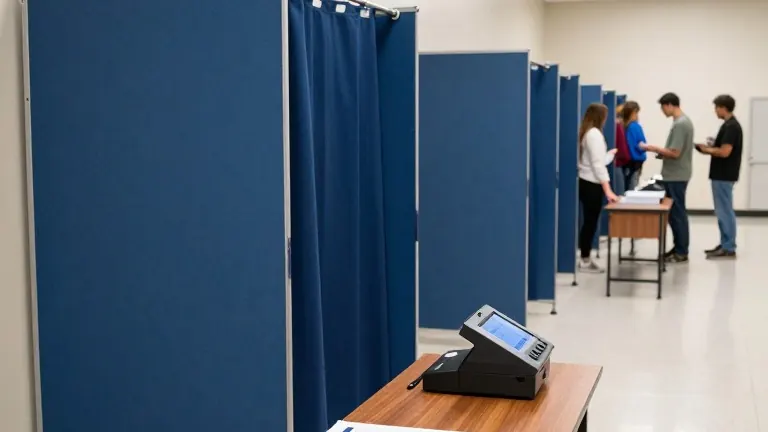
Opposition targets 120-seat majority to remove Knesset Speaker Amir Ohana
The anti-Netanyahu bloc aims to seize parliamentary control by replacing the Likud leader, a move that could happen even if the prime minister remains in a caretaker role.
By Jack Weber ·
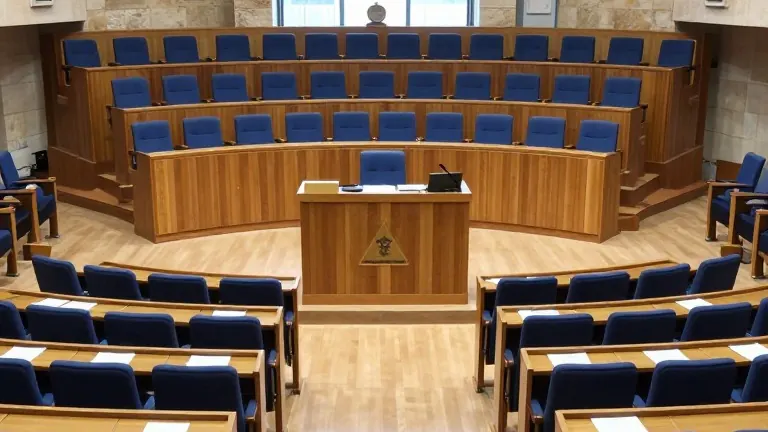
The opposition coalition has settled on its first legislative target: the removal of Knesset Speaker Amir Ohana. This decision was reached before any final agreement on who will form the next government.
Controlling the speaker's chair is a strategic priority for the bloc. The speaker dictates the parliamentary agenda, including which bills reach a vote and who leads committees. By swapping Ohana for an ally, the opposition can exert influence over legislation and appointments, even if Benjamin Netanyahu stays on as head of a caretaker cabinet.
The Knesset elects its speaker in an open vote during its first session. To unseat Ohana, the opposition needs the support of at least 61 members from the 120-seat chamber. This majority may require backing from Arab parties. No formal agreement on a governing coalition is necessary for this vote to proceed.
Several lawmakers are being considered for the role. Candidates include Chili Tropper, Matan Kahana, and Elazar Stern of Gadi Eisenkot’s Yashar party; Merav Ben-Ari and Eitan Ginzburg of Naftali Bennett’s B’Yachad party; Efrat Rayten of the Democrats; and Oded Forer of Yisrael Beytenu. On Wednesday, KAN News reported that bloc leaders were also weighing Yair Lapid for the position.
Avigdor Liberman, chairman of Yisrael Beytenu, suggested that some outgoing coalition members might defect to support the change. He estimated that up to a third of those lawmakers could vote against Ohana.
Meanwhile, Yashar party leader Gadi Eisenkot outlined his platform for forming a new government. He plans to negotiate a parliamentary majority, establish a commission of inquiry into the events of October 7, enforce compulsory military service for all, and repeal recent judicial reform laws. Eisenkot stated on X that any Knesset member willing to sign on to these principles is a potential partner.
Tensions simmer between the opposition and the Joint List, an alliance of predominantly Arab parties. On Wednesday, leaders of the Joint List said they felt insulted because opposition leaders had not contacted them to join coalition negotiations. Prof. Yousef Jabareen, the Joint List chairman, declared that the group is ready to pave the way for ousting the Netanyahu government. Ahmad Tibi, a Joint List member, confirmed in a Saturday interview that his party will not join the coalition but aims to make the process easier, not harder.