Practical Guide for Election Day: Poll Hours, ID Rules, and Mail Ballot Logistics
With over 57 million votes already cast, this guide outlines state-specific voting windows, identification requirements, and the latest federal court rulings affecting mail ballots.
By Alexei Brooks ·
As voters prepare to cast their ballots on Election Day, the logistical details of the process are as critical as the political stakes. More than 57 million people had already voted by Monday, surpassing early vote totals from four years ago in many closely watched states. This early surge means that lines at polling places may be shorter in some areas, yet the rules governing who can vote and when remain strict and varied by jurisdiction. Understanding these mechanics is essential for ensuring that every eligible vote is counted in the midterm election, which will determine the balance of power in Congress for the final two years of President Donald Trump's term.
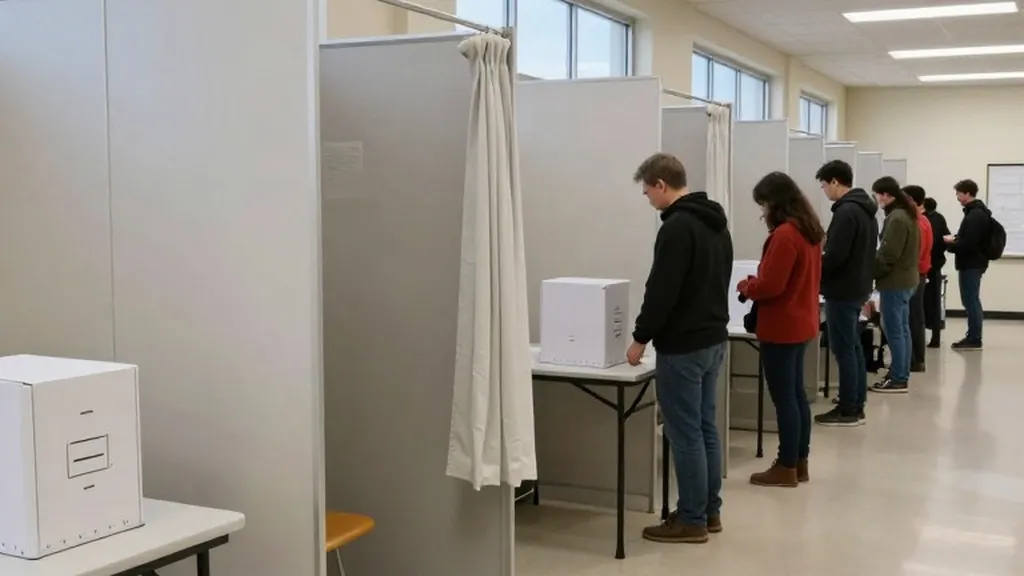
Finding the correct polling location is the first step for in-person voters. Citizens can locate their specific site at vote.gov or through their state election office. Once there, voters should be aware that poll hours differ significantly across the country. For instance, polls in Alabama open at 7 a.m. And close at 7 p.m., while in California, hours run from 7 a.m. To 8 p.m. In New York, voting is available from 6 a.m. To 9 p.m., offering the longest window among major states. Conversely, Kentucky and Indiana close their polls at 6 p.m., the earliest closing time in the nation. Voters in New Hampshire should note that hours vary by town, with polls opening by 11 a.m. And closing no earlier than 7 p.m.
Identification rules are another variable that can delay the voting process if not checked in advance. ID requirements vary by state, and voters are advised to review their specific state's rules before heading to the polls. While some states require a photo ID, others accept non-photo identification or allow voters to sign an affidavit. This variation means that a voter who is prepared in one state may face hurdles in another. To avoid last minute confusion, checking the specific requirements via state election office websites is a prudent step for all independent voters.
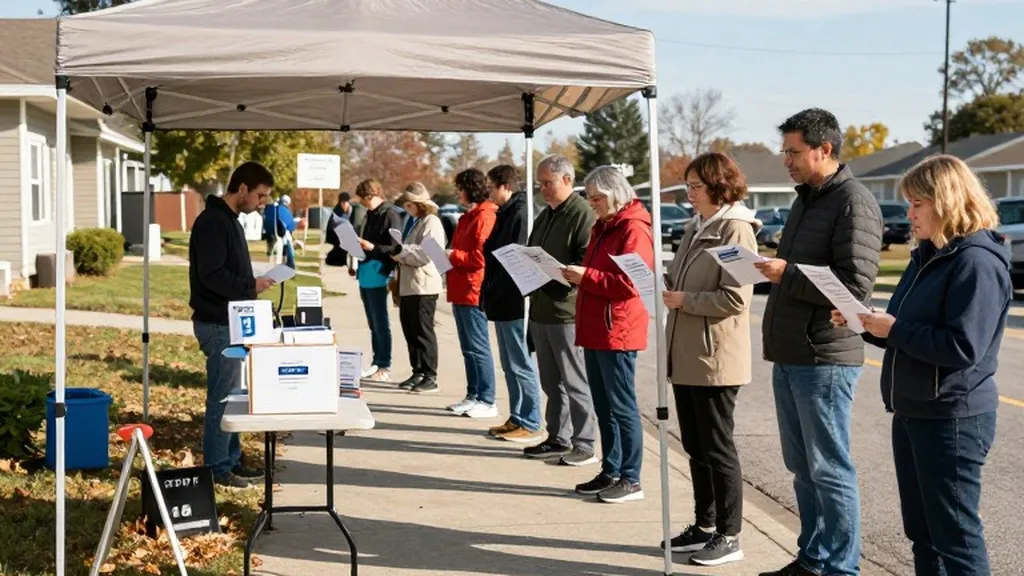
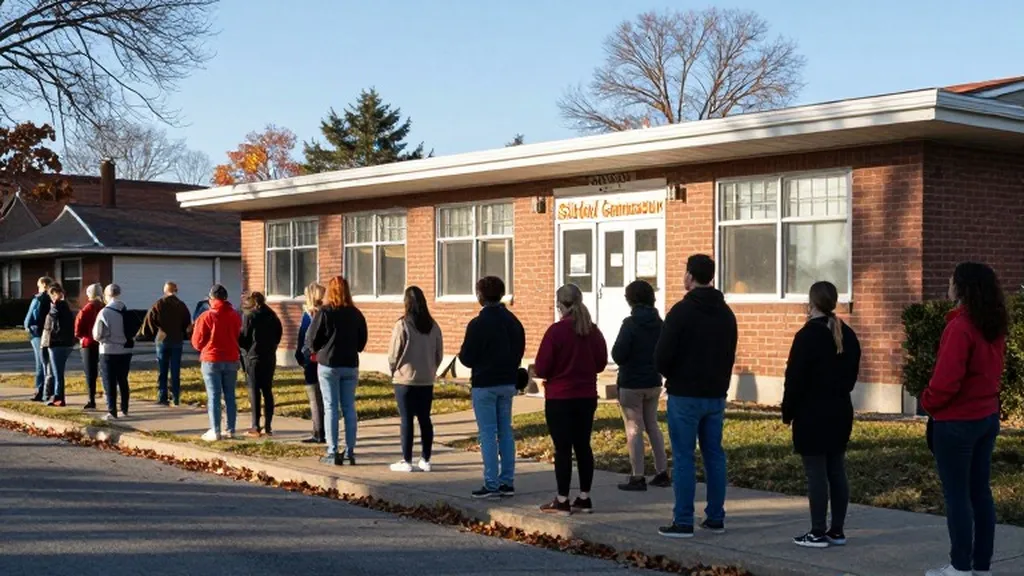
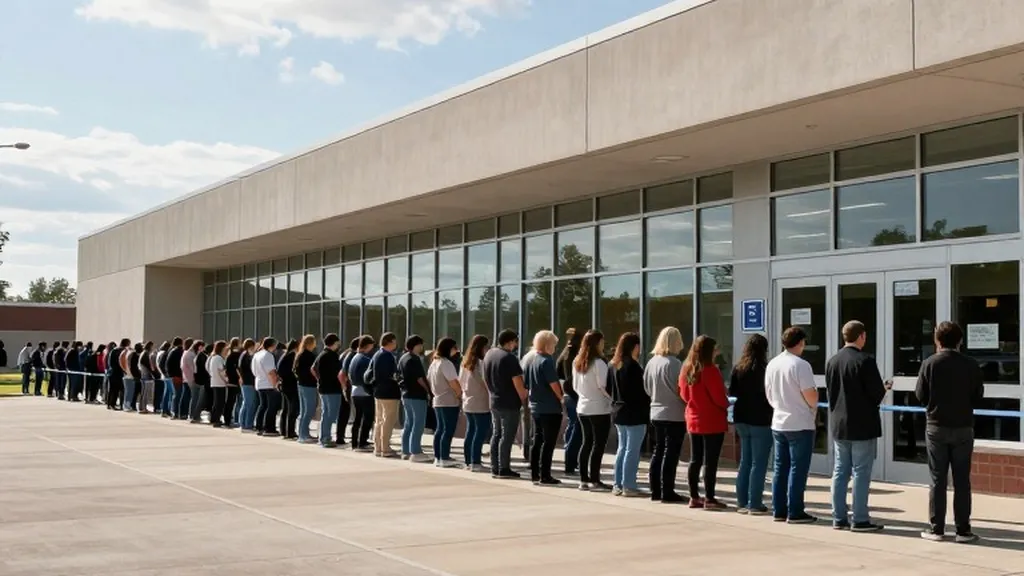
Staying in line is a right that is often misunderstood. The Associated Press and Ballotpedia clarify that anyone who is in line when polls close is entitled to cast their ballot. This rule is particularly relevant in states with long voting hours or high turnout, such as New Jersey, where polls are open from 6 a.m. To 8 p.m., or Louisiana, which also keeps its doors open until 8 p.m. Voters should monitor the time as they wait, knowing that the clock stops for those already in the queue once the closing time arrives. This provision ensures that delays in the voting line do not disenfranchise eligible citizens who arrived during the designated voting window.
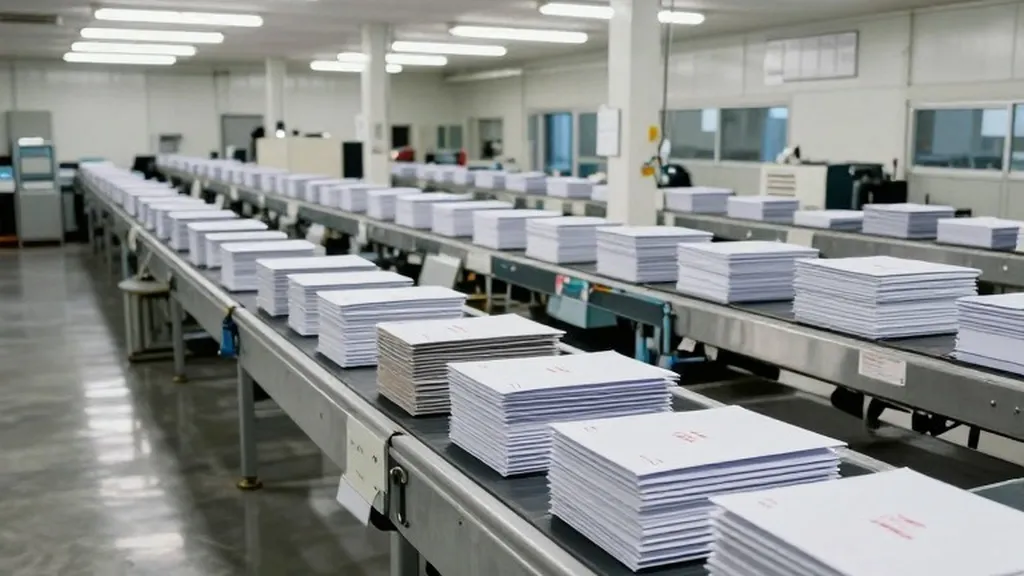
For those who opted for mail ballots, the U.S. Postal Service has implemented additional measures to ensure timely delivery and counting. The Postal Service added hours, staff, and special lines to handle the increased volume of election mail. This infrastructure boost is designed to mitigate the risk of ballots arriving after the deadline. However, voters in states that rely heavily on mail voting, such as Oregon, Utah, and Washington, should still ensure their ballots are postmarked or delivered according to state-specific deadlines. The addition of special lines at post offices is a direct response to the high volume of mail-in ballots observed in recent elections.
Federal courts have also played a significant role in shaping the voting environment this year. On Monday, a federal judge temporarily barred the Trump administration from carrying out a plan it says would prevent noncitizen voting. Critics of the plan argued that it risks disenfranchising eligible voters and infringes on states' authority over elections. Additionally, a judge ordered the administration to stop demanding that California election officials segregate ballots cast by people on its lists of suspected noncitizens. These legal developments have added a layer of complexity to the administration of the election, prompting both parties to monitor local election offices closely for any changes in procedure.
President Donald Trump has been active in rallying supporters, holding dozens of events including a stop in Salina, Kansas, where he urged voters to "pretend I'm on the ballot." His administration has continued to make claims about voting fraud, including assertions that noncitizens vote in large numbers. In response, the administration filed lawsuits in Alaska and California, and the Department of Justice has threatened to prosecute local election officials. These actions have led to concerns among Democrats about potential interference, while Republicans argue they are ensuring the integrity of the vote. The legal battles continue to unfold as polls remain open across the country.
The financial aspect of the election is also notable, with the 2026 elections likely to be the most expensive in history. AP analysis of AdImpact data shows that 88.1% of Republican general election TV ad spending went to states and districts Trump won in 2024. This includes more than $850 million spent in areas where he won by 10 points or more. In contrast, at the candidate level, Democratic committees outraised their Republican counterparts. This spending disparity reflects the different strategies employed by each party, with Republicans focusing on defending the president's legacy and Democrats highlighting issues such as the cost of living and high prices.