Courts Step In on Voting Rules as Mail Ballot Logistics Tighten
Federal judges issued temporary blocks on noncitizen voting measures in Alaska and California while the Postal Service expanded operations to ensure timely mail ballot processing.
By Alexei Brooks ·
Federal courts intervened on Election Day to shape how votes are counted and certified in key states, creating a backdrop of legal uncertainty for voters heading to the polls. A federal judge in Alaska temporarily barred the Trump administration from executing a plan designed to prevent noncitizen voting. Critics of the administration's approach argue that the plan risks disenfranchising eligible voters and infringes upon the authority states traditionally hold over their own elections. The ruling forces election officials to proceed under existing protocols while the legal dispute continues.
In California, a separate judge ordered the administration to stop demanding that election officials segregate ballots cast by individuals listed as suspected noncitizens. This directive impacts a state where a large portion of the electorate votes by mail. The order aims to maintain the standard process for counting ballots, ensuring that votes from eligible citizens are not set aside during the initial tallying phase. Election officials in the state have indicated that the decision allows them to continue processing mail ballots without the added administrative burden of sorting suspected noncitizen ballots immediately upon receipt.
The Trump administration has continued to assert that noncitizens vote in large numbers, a claim that has driven the lawsuits in both Alaska and California. Democrats have expressed concern that these legal actions could lead to interference or intimidation of local election officials. The Justice Department has threatened to prosecute local officials, adding a layer of tension to the administration of the midterms. Both parties are monitoring the court dockets closely, knowing that final rulings could influence how results are certified in these competitive states.
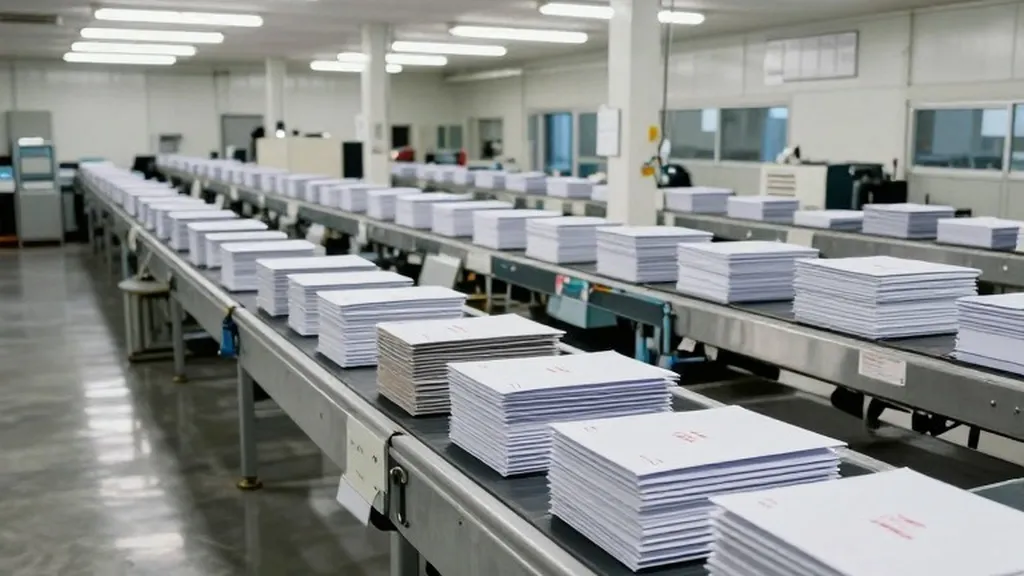
Beyond the courtroom battles, the U.S. Postal Service has implemented specific measures to handle the surge in mail-in ballots. The agency added extra hours, staff, and special processing lines to ensure that mail ballots are counted on time. This logistical effort is critical in states where mail voting is the primary method of participation. The Postal Service's expanded operations reflect the administration's acknowledgment that the volume of mail ballots requires dedicated resources to avoid delays in reporting results.
Voters in these states are casting ballots while these legal and logistical questions remain partially unresolved. In Alaska, the race for the U.S. Senate is considered competitive, with the Trump administration filing a lawsuit related to the certification of the result. In California, the new congressional maps are in effect, and the state's large mail ballot count is a major focus for both parties. The interplay between judicial orders and postal logistics defines the operational environment for counting votes in these regions.
The legal challenges are part of a broader debate over voting rules and the role of the federal government in state elections. The temporary bars issued by judges in Alaska and California suggest that courts are willing to pause executive actions that might alter the standard voting process on short notice. This judicial caution is seen by some as a way to preserve the status quo on Election Day, allowing voters to cast their ballots without immediate changes to how their votes are handled.
The Postal Service's measures highlight the physical infrastructure behind the election. By adding staff and special lines, the agency aims to mitigate the risk of delays in processing mail ballots. This is particularly important in states like California and Colorado, where a significant number of votes are cast by mail. The efficiency of this process will determine how quickly results can be reported, even as legal disputes continue to unfold in the background.
The administration's push to address noncitizen voting has drawn sharp reactions from both sides of the political spectrum. Republicans argue that the measures are necessary to protect the integrity of the election, while Democrats contend that the lawsuits create unnecessary confusion for voters and election workers. The temporary court orders have effectively paused these efforts for the day, but the underlying legal questions remain unresolved and may affect future elections.
As polls open across the country, the focus in Alaska and California is on ensuring that the counting process adheres to the court orders. Election officials are working to implement the directives while managing the high volume of mail ballots. The Postal Service's expanded capacity is a key factor in this effort, providing the logistical support needed to process ballots within the required timeframes. The combination of legal rulings and operational adjustments creates a complex but manageable framework for counting votes on this pivotal day.
The situation illustrates the growing intersection of law and logistics in modern elections. Courts are stepping in to define the boundaries of executive power over voting rules, while federal agencies are adapting their operations to meet the demands of a large-scale mail ballot count. For voters in the affected states, the immediate experience is shaped by these behind-the-scenes decisions, even as they focus on choosing their representatives for Congress and the governorship.
The U.S. Postal Service has confirmed that the added staff and special lines are fully operational, ensuring that mail ballots are processed as they arrive. This measure is designed to prevent the backlog that can occur when mail ballot volumes exceed standard processing capabilities. With the legal landscape in flux, the reliable processing of mail ballots becomes a central task for election administrators in states like California and Alaska, where the outcome of several key races depends on timely and accurate counting.