Markets Watch AI Costs and Debt Ceiling as U.S. Votes
Investors are preparing for fiscal policy shifts driven by congressional control, with a focus on artificial intelligence spending and trade alliances.
By Jack Weber ·

Election Day in the United States is being watched closely by Wall Street and global markets, with investors assessing how the outcome of congressional races will shape fiscal policy and trade dynamics. Reuters reports that market participants are paying particular attention to the potential for changes in debt ceiling negotiations and the scale of spending on artificial intelligence. These factors are seen as critical to long term economic stability and corporate earnings in the technology sector. The election determines who controls Congress for the final two years of President Donald Trump's second term, a period that will define the legislative agenda for the next half of the decade.
The Associated Press describes the current political landscape as one where voters are struggling with high prices and are angry over an unpopular war with Iran. This sentiment is reflected in recent polling, which shows that 35 percent of U.S. adults approve of the president's job performance, while about seven in ten say the country is heading in the wrong direction. Most respondents blame the administration for high prices. This economic anxiety is a primary driver for investors who are concerned that a shift in congressional control could lead to different fiscal priorities, including potential tax changes or increased oversight of federal spending.
Trade policy is another major area of focus for international markets. The AP notes that economic strain and tariffs have made states like Maine competitive in the Senate race, indicating that trade issues are resonating with voters. If Democrats gain control of one or both chambers, they are expected to push for investigations and possible impeachment proceedings, which could create uncertainty for businesses. House Democratic Leader Hakeem Jeffries has outlined a 100 day agenda focused on the cost of living and oversight, signaling a potential shift in how the government interacts with the private sector and international partners.
The debt ceiling remains a looming concern for financial markets. Reuters indicates that results from the election could add to investor concerns about the trajectory of national debt. If Republicans hold the Senate but lose the House, or if Democrats take both chambers, the process for raising the debt limit could become more contentious. This political friction may impact bond yields and stock prices, particularly in sectors sensitive to interest rates. The administration has already faced legal challenges regarding election administration, with a federal judge temporarily barring a plan to prevent noncitizen voting, a move that critics say risks disenfranchising eligible voters.
Artificial intelligence spending is a specific point of interest for tech investors. The outcome of the election may influence regulations and subsidies related to AI development. Republican committees have outraised and outspent Democratic committees, helped by Trump affiliated groups and Elon Musk, suggesting strong support for the current administration's approach to technology and infrastructure. However, 88.1 percent of Republican general election TV ad spending went to states and districts Trump won in 2024, indicating a focus on consolidating power in areas already supportive of the current policy direction. This spending pattern suggests that the Republican strategy is to maintain the status quo in key economic regions.
Global allies are also watching the election with interest, particularly regarding trade agreements and security commitments. The AP notes that the election is a referendum on Trump's second term, with many Republican candidates keeping their distance from the president to appeal to independent voters. This dynamic could lead to a more bipartisan approach to foreign policy if Democrats gain strength in Congress. The administration's legal battles in states like Alaska and California, where it filed lawsuits related to the certification of results and ballot handling, add another layer of complexity that foreign governments are monitoring for signs of domestic stability.
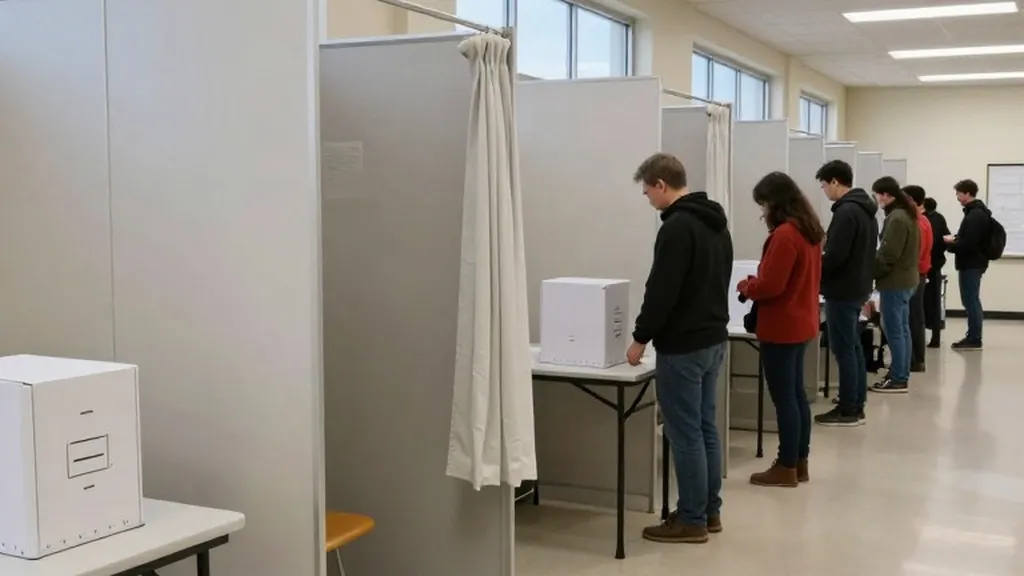
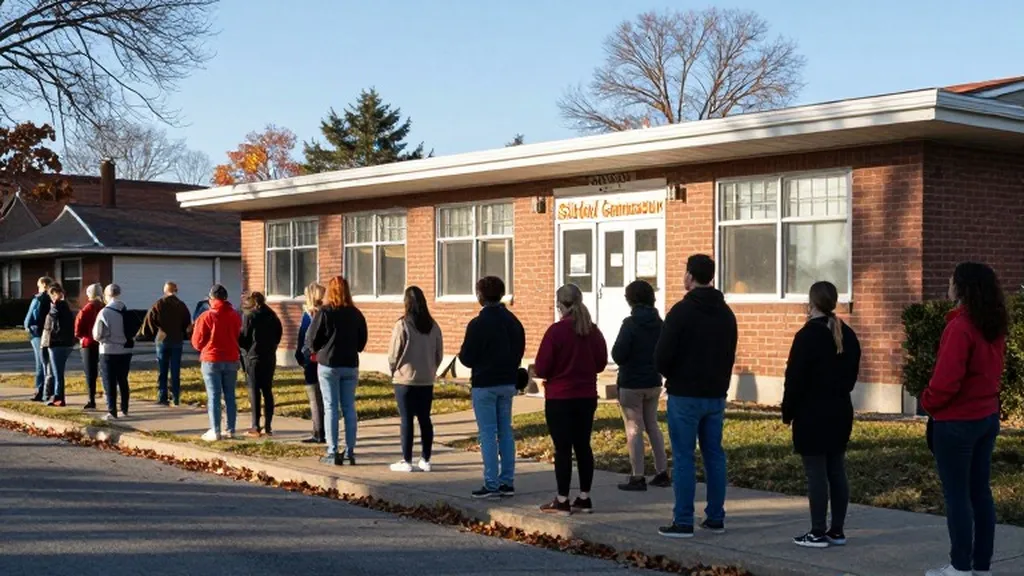
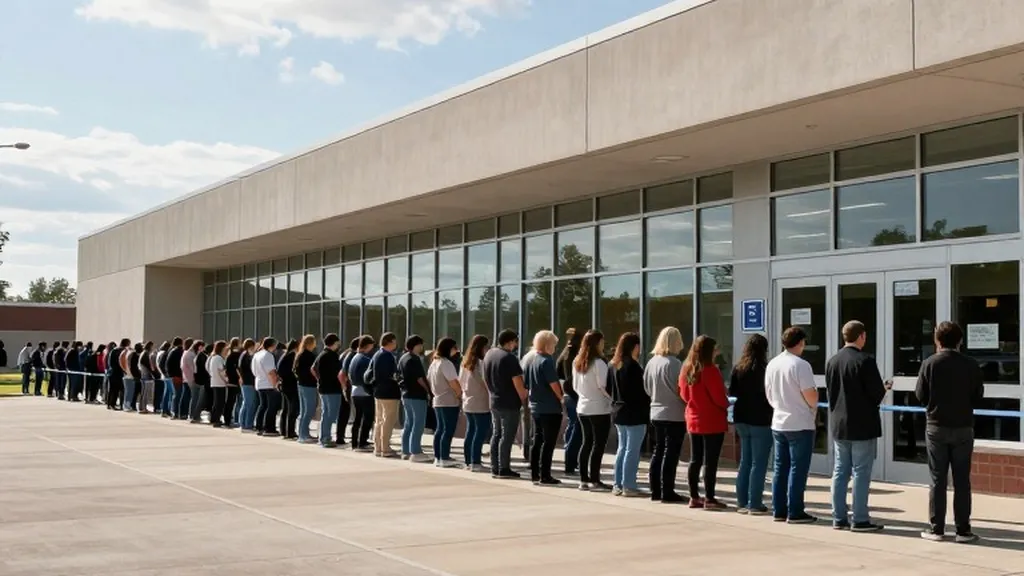
Voter turnout is a critical variable in this election. RNC Chairman Joe Gruters stated that everything depends on turnout, claiming that if they turn out their voters, they win. DCCC Chair Rep. Suzan DelBene countered that the American people are angry and want change. More than 57 million people had already voted as of Monday, surpassing the early vote of four years ago in many closely watched states. This high level of early participation suggests that the final outcome will be determined by how these early votes align with the preferences of voters who cast their ballots on Election Day itself, a group that often skews differently in terms of demographics and political leanings.
The Senate race is particularly important for market stability because it determines the balance of power for the next six years. Republicans hold 53 seats and Democrats 45, with two independents who caucus with Democrats. Democrats need a net gain of four seats for a majority, while Republicans can lose only two. Several races are considered toss ups, including Maine, Iowa, and Michigan. The outcome of these races will directly impact the ability of Congress to pass legislation related to trade, technology, and fiscal policy. Investors are closely tracking these races to gauge the likelihood of legislative gridlock or cooperation.
The House race will determine which party controls the committee system and the budget process. Republicans hold 218 seats and Democrats 214, with Democrats needing a net gain of three districts for a majority. The AP notes that one or two seats could tip either chamber, making the election extremely close. This narrow margin means that even small shifts in voter behavior in battleground districts could have significant impacts on market expectations. The presence of 46 battleground districts, many of which voted for the opposing party in 2024, adds to the uncertainty for investors who are trying to predict the future direction of economic policy.